
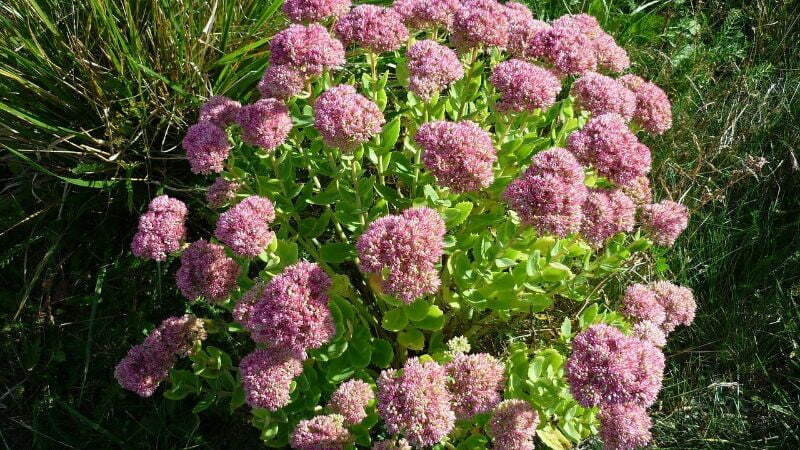
With a spade, cut a complete circle around the sedum plant, 2 inches away from the plant and 2 to 6 inches deep. Sedum plants that cover the ground have shallow roots, whereas taller sedum plants have deeper roots. When dividing dense ground cover sedum, just cut out small portions of the sedum patch, and the remaining sedum will soon fill in the gaps.
When should you transplant sedum?
In cooler climes, early spring, after the last frost of the season, is the best time to transplant sedum, as they die back during the winter. This makes it difficult to pinpoint the plant’s position before fresh growth emerges in the spring.
Where is the best place to plant sedum?
Sedum (also known as’stone crop flower’) thrives in full to part sun. While taller hybrids require full sun to flower well, creeping varieties can thrive in partial shade.
Sedums prefer a well-drained soil with a pH range of neutral to slightly alkaline. Root and stem rot can be caused by wet, heavy clay.
Tall growing sedums should be spaced 1 to 2 feet apart. Depending on the kind and how rapidly you want it to fill in an area, space low-growing, creeping sedums 6 to 12 inches apart.
Plant sedums when the risk of frost has passed in the spring. Planting transplants till late summer is possible in northern locations. Plant in the spring or fall in warmer climates.
Can sedum be divided?
You should know how to divide sedum so you can spread more of these attractive plants, whether you have little spreading rosettes or towering Autumn Joy stonecrop. Sedums thrive in hot, dry climates and bring lively color and quirky form to difficult-to-plant regions. Sedum separation is a simple project that will quickly increase the number of easy-to-grow plants. New divisions form quickly and require little more attention.
Late fall to early spring is the best time to divide perennial perennials. When you know when to divide sedum, you can ensure that it recovers quickly and roots well. Because many sedum plants die back in colder climates, determining where the plant is until new growth appears in early spring can be difficult. It is best to separate the plants at this time.
Plant division can increase blooms and improve plant health. Every three to four years, sedum should be divided. Some growers advise dividing the plant after it has blossomed and while it is still developing. Although recovery will be longer, these resilient small succulents should be able to bounce back rather quickly.
How deep do sedum roots go?
Sedums are succulent annuals and perennials with shallow roots that are native to temperate zones. The perennial forms, sometimes known as “stone crops,” are suitable specimens for extremely shallow soil. Sedums may grow and thrive on soil that is less than 1/2-inch deep, as long as the site drains well.
Does sedum spread quickly?
A creeping sedum might be the plant for you if you’re seeking for a lovely plant that thrives in almost complete neglect. Sedums strut their stuff in places where few other plants would dare. They thrive in crevices in a garden wall or pathway, on roofs or the tops of gently sloped birdhouses, and even under big trees where their massive roots capture the majority of the soil’s moisture. They work well in rock gardens, borders, and containers as well.
Many gardeners have begun to look more closely at species of the genus Sedum as seasonal and long-term droughts become more common across the United States. Sedum ‘Autumn Joy’ is well-known for its late russet blooms, but its ground-hugging relatives are gaining popularity as well.
Stonecrops, sometimes known as creeping sedums, provide a constant source of interest in my garden. They’re some of the most adaptable, drought-tolerant, and simple-to-grow perennials I’ve ever grown in my decades as a gardener. Sedums really reduce the amount of work a gardener has to do as they grow in size. Low growers are known for their ability to spread quickly, preventing weeds from gaining root. Although it is not required to deadhead spent blooms because they will fade away on their own, aged blossoms can be easily removed with a string trimmer. They are rarely afflicted by illnesses or pests as long as they are not over-watered.
While sedums may thrive in even the poorest soilin fact, low or little soil is their preferred mediumgood drainage is essential for their growth. Too much wetness, especially standing water, will destroy a sedum faster than any drought can.
Sedums, once established, require almost no further water to thrive, even in the driest conditions. Sedums are a great choice for gardens in hot, arid areas like the western United States, but they can grow almost anyplace with sufficient drainage. They can be found sticking up from boulders or sprouting from just a few inches of scree in frigid, alpine regions. Almost every USDA Hardiness Zone has at least one Sedum species. Although most creeping sedums prefer full sun, they can also thrive in moderate shade. Sedum ternatum, a North American native, is a sedum that prefers a little more moisture and shade than its relatives.
Will sedum cuttings root in water?
Sedum “Autumn Joy” is easy to root from stem or leaf cuttings. This can be done whenever the plants are actively developing. Place stem and leaf cuttings in water or a plastic bag with a damp paper towel to protect them from drying out before planting. To take the cuttings, use sharp scissors or pruners.
Does sedum need full sun?
Sedum don’t need much water, and if they get at least 6 hours of sunlight per day, they’ll produce their greatest colors. In thick, mucky, or high clay soils, they will not thrive. If you have some high spots and some low locations in your yard, the higher spots that drain well after a heavy rain will be preferable for sedum, while low spots tend to collect water.
Some succulents thrive inside, but sedum isn’t one of them. They simply require an excessive amount of direct sunshine.
When should sedum be cut back?
Spring – In the early spring, trim back the plant all the way to the dirt. This will allow for the emergence of new growth. Cut the stems off with pruning shears. Summer – You may want to trim the plant in half in May or June.
Can you divide sedum in summer?
Even when left alone, trailing cultivars like the popular “Vera Jameson” and groundcovers like “Dragon’s Blood” or “Kamschatka” root along their stems and spread swiftly.
When cuttings are planted in the garden soil in the early summer, they frequently germinate. Digging and separating into clumps or identifying rooted parts along the stem and cutting off individual plants can also be used to divide these.
How do you keep sedum from flopping over?
Rich, wet soil will cause the stems to bow, resulting in your sedums to topple over. To avoid this, add a little sand to the site soil before planting the succulents. Sedums grown in low-light environments may have spindly stems as they reach for the sun.