
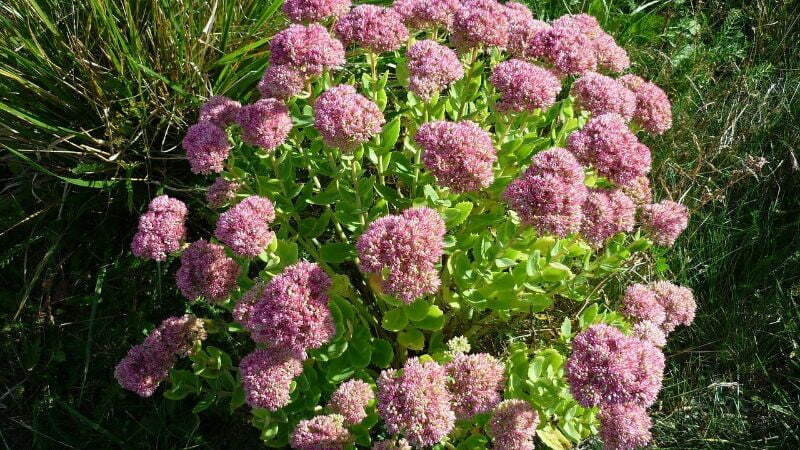
Sedum plants are succulents that belong to the Crassulaceae family and are considered easy to grow in most climates. There are numerous sizes and varieties to pick from, making it possible to find the perfect form for practically any gardening project. Cutting sedum plants back isn’t technically necessary unless they’re growing out of hand. Sedum plant pruning can restrict errant growth and, in some situations, enforce thicker plants if you desire a highly neat appearance. It won’t kill the plant, but pruning sedum plants at the right time will help maintain the starry flowers that most varieties produce.
Sedum can be pruned at any time in warmer areas without affecting the plant’s vigor. The majority of pruning, on the other hand, is done to remove old flower heads and keep the plant in check. You risk removing future flower heads on some of the slower-growing varieties if you prune late in the summer. At any moment, old flowers can be removed. The bloom head is an appealing feature on some of the larger species, such as Autumn Joy stonecrop, and it will last throughout the winter. You have the option of removing these in the fall or waiting until early spring to do so.
In cooler climates, the leaf will die back in the winter and be replaced by beautiful small fresh rosettes in the spring. By pruning back sedum plants to the new growth, it aids in the emergence of new growth while also forming a more neat plant.
When should sedum be pruned?
Incorporate Sedum ‘Autumn Joy’ (Sedum spectabile ‘Autumn Joy’) into your landscaping beds for excellent fall color. This paddle-leafed perennial, also known as Hylotelephium ‘Herbstfreude’ (Herbstfreude is German for “October delight”), is hard to match when it comes to giving seasonal interest. Learn how to grow sedum ‘Autumn Joy’ with these helpful hints.
‘Autumn Joy’ sedum, like other members of the sedum family, stores water in its fleshy, thickened leaves. This sedum, like hen-and-chicks (Sempervivum tectorum) and jade plant, is a succulent (Crassula ovata). All of these plants have water-hoarding leaves that thrive in arid, low-fertility soil. A compost-rich garden soil, on the other hand, can be a death knell for these water-conserving plants.
In rich, healthy soil, sedum ‘Autumn Joy’ responds with lush growth, resulting in weak, floppy stems. Clumps that start the growth season tight and upright but conclude with bowing and flailing stems are a regular occurrence for gardeners with this long-season performer. Keeping the soil light and lean is one way to avoid stem flop. If you’re planting in rich garden loam, consider adding a shovel of sand to the planting holes.
Inserting hoop or grow-through type stakes around plant clumps early in the season is another strategy to keep ‘Autumn Joy’ sedum stems standing soldier straight. If the plants aren’t in full sun, the stems will also flop. All sedum plants, including the sedum ‘Autumn Joy,’ require sunlight to thrive.
Many gardeners prune ‘Autumn Joy’ stems back in the spring and summer to encourage plants to grow to a reduced overall height. Pruning also results in shorter, more branched stems. Cut sedum plants in half in late spring or early summer to trim them (June in most places). Pruning causes the sedum ‘Autumn Joy’ to flower later, resulting in a longer flower show in the fall.
In the summer, the sedum ‘Autumn Joy’ produces flower buds atop stalks. The buds are chartreuse for a long time, bringing interest to the summer garden. The green buds open in late summer, revealing pink flowers that linger about six weeks in the garden. The blossoms become a bronze color before turning an almost chestnut brown that stands firm under winter snow. For visual pleasure, many gardeners leave flowers in the garden throughout the winter.
The colorful blossoms entice pollinators of all types. As a late-season nectar source, sedum ‘Autumn Joy’ is an excellent addition to a wildlife or butterfly garden. Its blooms supply bees, wasps, and other pollinating insects with large landing platforms.
The sedum ‘Autumn Joy’ is hardy in zones 3 to 8. This fall staple is also available in a variety of various formats. Light pink blooms bloom atop green foliage on the traditional sedum ‘Autumn Joy.’ Similar blossoms on stems with variegated, white-edged green leaves can be seen on the sedum telephium ‘Autumn Charm’ (Sedum telephium ‘Autumn Charm’). Autumn Fire (Sedum spectabile ‘Autumn Fire’) is a better version of ‘Autumn Joy.’ ‘Autumn Joy’ is gradually being phased out of the market. ‘Autumn Fire’ features larger flower heads, stronger stems, and a longer flowering window than ‘Autumn Joy.’
Do you cut back sedum for winter?
Tall sedum varieties like “Autumn Joy” (Sedum x “Autumn Joy”), which thrives in USDA zones 5 through 9, flower all winter and need to be pruned in late winter or early spring. Cut the sedum back in the winter as soon as the blossoms fade, or whenever you see green peeping through the ground in the spring. Using pruning shears, cut the entire plant back to ground level, or break the stalks at ground level by hand. The sedum will reappear from the roots in the spring.
How do you keep sedum from getting leggy?
Summer – You may want to trim the plant in half in May or June. This will aid a plant that has become excessively leggy and heavy. Make a clean cut towards the top of the stalk, just above a group of leaves. Don’t worry, the cut stalks will sprout new flowers.
Maintenance pruning can be done in the fall or at any other time. You may need to remove dead or unhealthy growth on occasion. Dead stalks should be cut back to the healthy part of the plant or to the soil’s base.
How do you pinch back sedum?
Sedum plants respond well to pruning, and in the next spurt of spring growth, they tend to develop a bushier plant. In the early spring, trim the stems down to within an inch (2.5 cm) of the earth using sharp pruners or garden shears. Take care to stay away from the fresh growth that is forming.
Pinching encourages plants to grow more densely. Pinch off new growth near the soil to create a more compact stem with thicker growth.
Pruning sedum succulents that are growing in low light might help them develop a stronger stem. Trim the stem to 6 inches in length (15.2 cm.). You won’t get any blooms for a while, but the stalk will thicken and sustain the blossoms when they arrive.
Finally, if your sedums’ tops get too heavy, cut the flower and bring it indoors to enjoy as a cut bloom. They’re a delight both inside and out.
How do you take care of a sedum?
Staking: Sedum types that creep do not require staking. If they don’t receive enough sun, have too much nitrogen fertilizer, or are too old, clumping kinds might become floppy. Wrap twine or a low metal wire around your clumping sedum plants before they flower to keep them upright, especially when they’re flowering. You may also put clumping kinds together to assist support each other, or plant them near to hardy perennials like miniature asters to help support them.
Watering: Sedums are succulents that can withstand drought. During the first year, keep newly planted sedums properly watered. They should grow OK without any more watering once they’ve been set. Sedum stems and roots can rot and die if they receive too much water. That’s why keeping sedums healthy necessitates well-drained soil.
Sedums survive low-fertility soils and do not require fertilization. Too much nitrogen in the soil might cause clumping plants to flop and bloom later. To keep your sedums growing and flowering robust, apply a 1 inch thick layer of compost when planting and once a year in the spring.
Mulching: Because sedums require well-drained soil, only a little layer of bark mulch should be applied to keep weeds at bay. To avoid rotting, keep organic mulches away from the plant’s crown. Mulching with gravel is not only appealing and helps retain soil moisture, but it also helps keep the soil properly drained, which is important for sedums in rock gardens.
Sedum Care
Sedum plants, also known as Stonecrop, grow best in full sun with little to no water and, most importantly, well-drained soil. For the flower bed and border, there are larger types that grow to be over two feet tall and wide. There are certain old standbys in the cottage garden, such as “It’s Autumn Joy.” Ground cover types in vibrant greens, grays, and reds that may spread swiftly and flower in early summer, such as “Angelina Jolie”. And everything in the middle! They thrive in practically any garden and make excellent container plants. Sedum plants feature succulent leaves that range in size from small needles to larger and fleshier leaves, and are available in a variety of colors and patterns, including gray, green, purple, blue, and even variegated! Butterflies and bees are attracted to them. And, best of all, they are perennials, meaning they will return year after year.
- Always, always, always, always, always, always, always, always, always, always, always, always, always, always, always, always If you’re going to plant them in containers, add some shredded bark or sand to the soil mix to make it more porous. If your garden soil is heavy, fix it or plant them in raised beds and containers.
- Choose containers that complement the look and feel of the plants. To fit the contemporary vibe these plants give off, think concrete, stone, or simple round bowls if you want to go for a succulent garden aesthetic. But don’t let that stop you from utilizing them in any style of garden; it’s a terrific way to freshen things up!
- Although they can survive without water for long periods of time, I find that if they are in well-drained soil, they look best when watered on a regular basis and let to slightly dry out in between.
- They don’t require a lot of fertilizer or a lot of soil. In fact, if you fertilize your plants too much, they will become floppy, with a lot of stem but few leaves and blooms.
- They can tolerate a little midday shadow, but the taller kinds will flip over if they don’t get enough sun.
- Pinch off the tops of the main stems of taller kinds in the spring, when the plant is around six inches tall. This will drive the plant to grow more compactly, which will solve the flopping over issue I stated earlier.
Once you’ve mastered sedum maintenance, experiment with different hen and chick breeds to grow alongside them. They require the same amount of water and fertilizer as sedums and make excellent companion plants. Sempervirens is the Latin name for these succulents, so you know you’re getting the appropriate one. This image from ‘Sunset’ demonstrates how amazing they appear in containers together.
How do you stop sedum from flopping?
Are you sick of floppy sedums? A little maintenance and the appropriate position can help them look better while also reducing your workload.
Autumn Joy, as well as other sedums, prefer full sun and well-drained soil. When cultivated in the shade and in extremely damp soil, they have a tendency to flop.
If necessary, relocate your plant to a sunny spot with sufficient drainage. To improve drainage and maximize your growth performance, add organic matter to thick clay soil.
Avoid using high-nitrogen, slow-release fertilizers, as they encourage lush succulent growth that is more likely to fail. If your plants need a nutrition boost, use a low nitrogen slow release fertilizer like Milorganite.
If the plants continue to fail, it’s time to get the pruners out. When plants reach 8 inches in height, cut them back halfway. Alternatively, pinch the growing tips. This promotes a more compact development pattern. Although the flowers may be smaller, there will be more of them for you to admire.
More information: Pruning in the early season is a good way to encourage more compact, sturdy growth in many late-season perennials. Just a few examples include Russian sage, coneflower, asters, and mums.
Can sedum be divided?
You should know how to divide sedum so you can spread more of these attractive plants, whether you have little spreading rosettes or towering Autumn Joy stonecrop. Sedums thrive in hot, dry climates and bring lively color and quirky form to difficult-to-plant regions. Sedum separation is a simple project that will quickly increase the number of easy-to-grow plants. New divisions form quickly and require little more attention.
Late fall to early spring is the best time to divide perennial perennials. When you know when to divide sedum, you can ensure that it recovers quickly and roots well. Because many sedum plants die back in colder climates, determining where the plant is until new growth appears in early spring can be difficult. It is best to separate the plants at this time.
Plant division can increase blooms and improve plant health. Every three to four years, sedum should be divided. Some growers advise dividing the plant after it has blossomed and while it is still developing. Although recovery will be longer, these resilient small succulents should be able to bounce back rather quickly.
Why does my sedum split in the middle?
It may be time to divide your “Autumn Joy” or other tall sedum if it continues to flop over in full sun. Sedums are known for spreading quickly, which is good in controlling the growth of weeds. However, too many plants vying for water and nutrients can cause some sedums to die. The plant is anchored and held upright by its deep roots as well as its robust stalks above ground. When a clump is separated, the higher regions of the plant may not get all of the nutrients it requires from the earth, resulting in lanky stems. Furthermore, a sedum plant may not have enough area to establish enough anchoring roots. Sedums can be divided in late spring to reduce their mass for at least a year or two. Pruning them all back to around 6 inches tall at the same time keeps them compact and prevents them from falling over.