
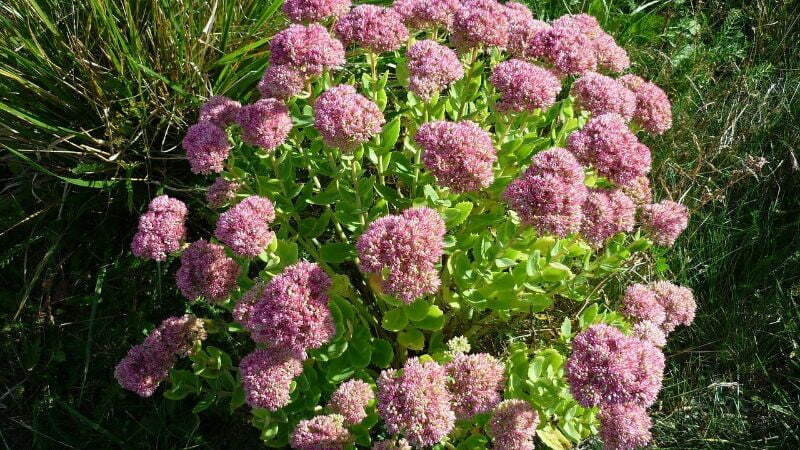
All your upright container needs to survive all season is plenty of sunlight, moderate water, and plant food. Lemon Coral is a hardworking garden plant that strives to impress.
How tall does Lemon Coral sedum grow?
Lemon Coral grows to be around 10 inches tall and 14 inches broad, so leave it 8 to 12 inches between it and other plants. This will allow S. mexicanum to spread out and provide the filler foliage interest you desire, as well as lessen the risk of plant diseases. Lemon Coral is usually unaffected by a wide range of pests. The early spring blossoms of this plant attract bees and moths. For a spring to fall color show, combine with pelargonium, verbena, portulaca, mandevilla, salvia, and other annuals.
What pairs well with Lemon Coral sedum?
SEDUM OF LEMON CORAL IN UPRIGHT CONTAINERS. Because it is so easy to blend with other sun-loving plants, Lemon Coral is frequently planted in upright pots. Its bright chartreuse color goes with anything, from clashing plum purples to complimentary citrus colours.
Size & Growth
Sedum lemon ball plants normally reach a height of 4 to 6 inches and a spread of 10 to 18 inches per plant.
This stonecrop can spread quickly and resemble a towering ground cover in perfect conditions.
Lemon Ball stonecrop foliage ranges in color from chartreuse to blue-gray to blue-green. The majority of the varieties have a vivid lemon-lime greenish-yellow tone.
Flowering and Fragrance
Lemon ball flowers are a charming, little yellow star-shaped flower that blooms in the summer. Or the human nose, the blossoms have little to no aroma. Hummingbirds, bees, and butterflies, on the other hand, are drawn to them.
Light & Temperature
Lemon ball sedum prefers full sun and will grow in a sunny location for several hours each day.
It can survive in partial sunlight (four to six hours per day), but it won’t grow thick and robust without a lot of it.
Lemon ball may be grown in USDA zones 4 through 9, although it flourishes in heat zones 6 through 9. In temperatures between -10° and 0° Fahrenheit, the lemon ball stonecrop will perish.
Watering and Feeding
Overwatering is one of the most common difficulties that sedum stonecrops face. Between waterings, it’s better to let the soil dry out. You don’t want to have to water these plants every day.
Sedums are drought-tolerant plants that may survive for days without water in hot weather.
In most circumstances, a single application of granular plant fertilizer once a year is sufficient. If you’re using a dry fertilizer, make sure you wet it in so the stonecrop can absorb it.
Soil & Transplanting
The pH of the soil should be 6.5 or higher for Sedum lemon ball to thrive. This plant, by the way, can withstand poor soil and brief droughts.
Stonecrop can flourish in slightly acidic or alkaline soil. Lemon ball stonecrop is tolerant to mildly salted soils in the environment.
The most important factor is to have well-drained soil and to avoid overwatering. Overwatering will quickly dehydrate the root system.
Sedum thrives in slightly dry soil rather than excessively damp dirt. Allowing your Sedum lemon ball to sit in waterlogged soil will eventually destroy it.
Grooming And Maintenance
Sedums are low-maintenance plants that only require watering during dry weather.
Plant lemon ball as a partial ground cover, border edging, or in bright light rock gardens, xeriscapes, pots, or flower boxes.
A Sedum lemon ball plant is ideal for full-sun locations where you want a low-maintenance plant.
It’s preferable to wipe off dead leaves in the spring before the new growth starts.
Why is my Lemon Coral sedum turning yellow?
According to scientists at the Missouri Botanical Garden, crown rot, also known as stem rot or southern blight, is caused by fungi in the soil. Plants become discolored along the soil line, lose their leaves, and die. Mycelium, a cottony webbing that appears at the stem and extends across the earth, appears during prolonged periods of excessive humidity. At the root of the plant, little white, reddish, or light brown lumps may appear and spread. Crown rot is uncommon in houseplants grown in potting soil. Fungicides can aid in the garden, but it’s best to remove and dispose of unhealthy plants.
Is Lemon sedum a perennial?
Sedum is a genus of succulent, herbaceous, evergreen perennials with mushy, flat or rounded leaves. The plant is generally erect and spreads out across the ground. There are about 300 species in the genus, though many have been relocated to the Hylotelephium genus. The genus name comes from the Latin word sedeo, which means “to sit,” in reference to many sedum species’ habit of sitting and sprawling over rocks.
Lemon Coral Sedum is a small summer-blooming succulent with lime-green leaves and little star-shaped blooms. It grows best in dry to medium well-drained sandy to rocky soils as a ground cover, in rock gardens, mass plantings in the border, or cascading over planters, rocks, or walls, and it tolerates heat and dryness in full sun to light shade. It requires little watering and thrives in damp soils with adequate drainage. Plants that are planted in extremely rich soils or in too much shade may grow weak and floppy. Plants spread slowly over time. Lemon Coral, like many other members of its genus, can only withstand little foot movement on occasion. The leaves are prone to falling off readily, however they can be used to propagate new plants.
Except for the occasional slugs and snails, there are no severe diseases or bug concerns. Avoid areas that are damp or inadequately drained. Flopping is a problem that can be prevented by growing in full sun on soils that aren’t excessively wet or rich. Pinching stems in the spring can also make them thicker and bushier.
Do you fertilize Lemon Coral sedum?
If you have a Lemon coral plant in your house or yard, you must keep it happy and healthy by following a maintenance schedule. Your plant’s care instructions are listed below.
Water Requirements
These plants do not require much water because they are drought-tolerant. However, forgetting to water these plants on a regular basis can be hazardous to them. Put your finger up to your knuckle in the soil of your Lemon coral plant to see whether it needs to be watered. If the soil clings to your fingers, it is sufficiently moist and does not require water. You should water your plant if the soil does not stick to your finger. You must inspect the soil of your plant on a daily basis to see if it is dry.
Sunlight Requirements
In full to moderate sunlight, the lemon coral plant thrives. This plant can be grown both indoors and outdoors. If you’re growing a lemon coral plant indoors, make sure it’s not facing the sun. In your room, place this plant facing east or south.
Temperature Requirements
Lemon coral plants can be grown in both hot and cold temperatures. This is why lemon corals are known as easy-to-grow plants that may thrive in any environment.
Fertilizer Requirements
To get the most out of your lemon coral plant, utilize water-soluble fertilizers. Fertilize your lemon coral once a month or as needed, depending on its demands.
How do you keep sedum from getting leggy?
Summer – You may want to trim the plant in half in May or June. This will aid a plant that has become excessively leggy and heavy. Make a clean cut towards the top of the stalk, just above a group of leaves. Don’t worry, the cut stalks will sprout new flowers.
Maintenance pruning can be done in the fall or at any other time. You may need to remove dead or unhealthy growth on occasion. Dead stalks should be cut back to the healthy part of the plant or to the soil’s base.
Can you split Lemon Coral sedum?
You should know how to divide sedum so you can spread more of these attractive plants, whether you have little spreading rosettes or towering Autumn Joy stonecrop. Sedums thrive in hot, dry climates and bring lively color and quirky form to difficult-to-plant regions. Sedum separation is a simple project that will quickly increase the number of easy-to-grow plants. New divisions form quickly and require little more attention.
Late fall to early spring is the best time to divide perennial perennials. When you know when to divide sedum, you can ensure that it recovers quickly and roots well. Because many sedum plants die back in colder climates, determining where the plant is until new growth appears in early spring can be difficult. It is best to separate the plants at this time.
Plant division can increase blooms and improve plant health. Every three to four years, sedum should be divided. Some growers advise dividing the plant after it has blossomed and while it is still developing. Although recovery will be longer, these resilient small succulents should be able to bounce back rather quickly.