
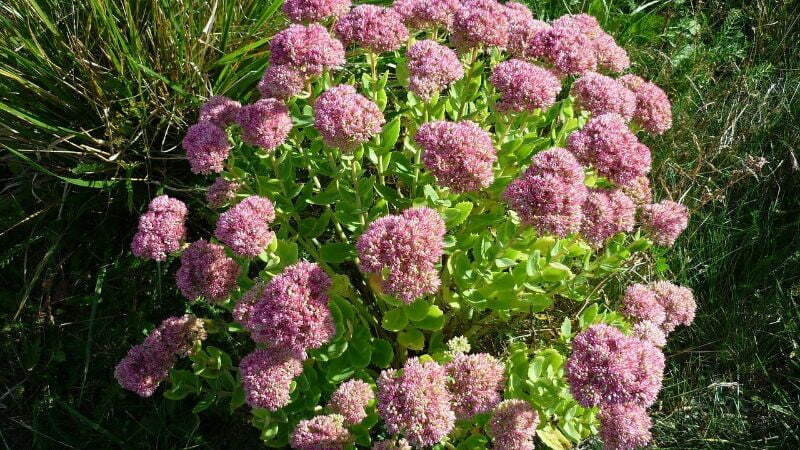
Sedums are one of the easiest plants to propagate, and other stonecrops can be propagated in the same way. You only need a leaf or a sliver of stalk. A new succulent can be grown quickly by planting a stonecrop stem shallowly in a very gritty medium or by placing a leaf on the surface of sandy soil. In just a few weeks, the plant material will root and produce a new stonecrop.
How do you care for a stonecrop succulent?
During the spring through October, we recommend watering your sedums once a week. Reduce the amount of water you give your plants in the winter. Watering them once every three to four weeks should suffice; you simply want to protect their leaves from drying out and puckering.
Should you cut back stonecrop?
Sedum plants are succulents that belong to the Crassulaceae family and are considered easy to grow in most climates. There are numerous sizes and varieties to pick from, making it possible to find the perfect form for practically any gardening project. Cutting sedum plants back isn’t technically necessary unless they’re growing out of hand. Sedum plant pruning can restrict errant growth and, in some situations, enforce thicker plants if you desire a highly neat appearance. It won’t kill the plant, but pruning sedum plants at the right time will help maintain the starry flowers that most varieties produce.
Sedum can be pruned at any time in warmer areas without affecting the plant’s vigor. The majority of pruning, on the other hand, is done to remove old flower heads and keep the plant in check. You risk removing future flower heads on some of the slower-growing varieties if you prune late in the summer. At any moment, old flowers can be removed. The bloom head is an appealing feature on some of the larger species, such as Autumn Joy stonecrop, and it will last throughout the winter. You have the option of removing these in the fall or waiting until early spring to do so.
In cooler climates, the leaf will die back in the winter and be replaced by beautiful small fresh rosettes in the spring. By pruning back sedum plants to the new growth, it aids in the emergence of new growth while also forming a more neat plant.
How often should I water my stonecrop?
Newly planted sedum, whether in a pot or in the garden, will need to be thoroughly watered. Water when the top inch of soil seems dry after it has been established.
Sedum thrive in well-drained soil and are drought tolerant. It’s best to give the plant a good drink and then let the soil dry up before watering again. Stonecrops thrive in broad sunlight and a dry climate. Water every 7-10 days throughout the hot summer months. In the fall and winter, water every two to three weeks.
The watering requirements of container sedums are determined by a number of factors. An outdoor container may not require any watering depending on rainfall, however an indoor container will require weekly watering. In comparison to a small or shallow container, a large container will hold more moisture and require less watering. Give the sedum a long sip until the drainage pores are completely dry. Allow the soil to dry completely before watering again. Once a week, examine the soil is a reasonable rule of thumb.
How do you winterize a stonecrop?
Autumn Joy stonecrop (Sedum spectabile ‘Autumn Joy’) is a popular type with lovely fall color that is commonly used in gardens or as potted plants. It grows in zones 3 through 9 and reaches a height of 18 to 24 inches. It has little clusters of pink flowers in the summer that turn crimson in the fall. Its foliage and dead flowers keep their color throughout the winter, so there’s no need to prune them back. To encourage new growth, remove spent flowers and reduce stalks to ground level in the spring. The plant will die back during a severely cold winter. If this is the case, wait until the spring to water it. Autumn Joy sedum thrives in areas where water doesn’t pool and the soil can dry out quickly after winter rains.
Does stonecrop need full sun?
Sedum (also known as’stone crop flower’) thrives in full to part sun. While taller hybrids require full sun to flower well, creeping varieties can thrive in partial shade.
Sedums prefer a well-drained soil with a pH range of neutral to slightly alkaline. Root and stem rot can be caused by wet, heavy clay.
Tall growing sedums should be spaced 1 to 2 feet apart. Depending on the kind and how rapidly you want it to fill in an area, space low-growing, creeping sedums 6 to 12 inches apart.
Plant sedums when the risk of frost has passed in the spring. Planting transplants till late summer is possible in northern locations. Plant in the spring or fall in warmer climates.
Does stonecrop come back every year?
Unless they grow out of bounds, creeping sedums don’t need to be clipped. Tall sedums can be tip trimmed in the spring to keep their height under control, but this will delay flowering. In the winter, tall sedums die back to a ground-level rosette. During the autumn and early winter, many gardeners like to leave the withered stems and blossoms of tall sedums in situ because, even when dead, they are lovely when frost coats them. They can be pruned or pulled once they have been smashed down by snow or ice.
Sedums in containers:
Sedums, both towering and creeping, are wonderful container plants if you use a good potting mix that both absorbs and drains water. Tall sedums and creeping sedums make excellent spiller companions for tall container plants like cactus and agave. Strawberry pots, pallet gardens, rock walls, and wall gardens all look fantastic with creeping sedums hidden in the nooks and crevices. Because their long stems droop down over the edge of the container, creeping sedums are also ideal for hanging baskets.
When can I transplant a stonecrop?
Sedum are robust, drought-tolerant succulents with built-in survival strategies, making them among the most forgiving of all plants. Sedum thrives in poor soil, making it an excellent choice for rock gardens, steep slopes, and conventional flower beds, where it may be mixed in with annuals and perennials. Although sedum can be transplanted at any time when the plants aren’t in full flower, early spring and autumn are the optimum times to do it.
What grows well with stonecrop?
Sedum’s Companion Plants
- Chrysanthemums and asters Hardy perennials like asters and chrysanthemums bloom in the fall.
- Fescue in the color of blue. Autumn Joy’s gentle green stems and leaves contrast wonderfully with blue fescue’s spiky, blue-gray foliage.