
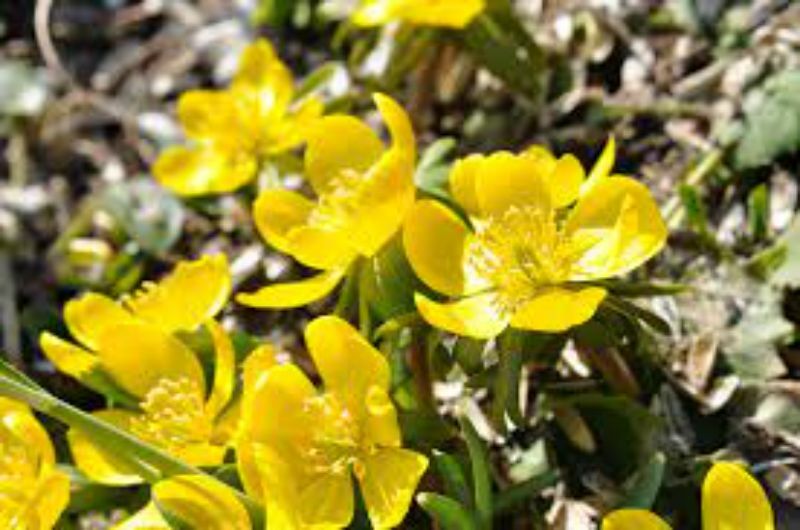
Full sun or mild shade is required for potentilla. The plant will bloom for longer if it is given some shade during the day. It favors moist, fertile, well-drained soil, but it will grow on clay, rocky, alkaline, dry, or poor soil. Potentilla is easy to grow because of its disease and pest tolerance. Potentilla can be cared for in the following ways:
- During prolonged dry conditions, water Potentilla shrubs. The plant can survive without being watered on a regular basis, but it flourishes when given enough of moisture. In swampy soils, this Native American plant grows wild.
- When the flower buds start to grow in late April, give the shrub a shovelful of compost or fertilize it with a complete fertilizer.
- Cut out the old branches at ground level at the end of the flowering season, or revitalize the shrub by cutting the entire plant down to ground level and letting it to regenerate. It takes on an uncomfortable form after a few years unless you trim it all the way back.
- Use organic mulch to keep the soil moist while also keeping weeds at bay. Pull the mulch back around the plant before the first freeze, then push it back around the plant once the earth is frozen.
When should you prune potentilla?
Potentilla can be pruned all the way down to the ground and will quickly regrow. They might not flower as well the first year, but they’ll be fine after that. They can be pruned at any time of year, but if you want them to flower well the next year, September is the best time.
Do I cut back potentilla plants in the fall?
You can trim your potentilla in the fall if you want to. To restructure it, trim it close to the ground. You’ll see that new shoots appear quickly.
However, you may notice that the shrub does not flower as well the first year after a harsh prune, but it will bloom profusely the following year.
How do you prune potentilla?
The Potentilla is a plant of exceptional beauty, with delicate leaves and gorgeous flowers. Despite their delicate appearance, they are surprisingly robust plants that are both resistant and versatile, making them an excellent choice for gardeners of all skill levels.
You should expect your Potentilla plant to drop its leaves over the winter months. This is due to the plant’s deciduous nature, and you may expect the leaves to sprout in April or May. Potentillas flower for a long time throughout the summer, from May to the end of August or even later.
Potentillas can live for many years, so it’s vital to take efforts to keep your plant well-maintained to support healthy development over time. With this in mind, Potentillas are fortunately low-maintenance, which means you won’t have to prune them as often as you would with other hedge plants.
Pruning potentillas can be done at any time of year to maintain the desired plant shape. To keep their appearance in order, you don’t need to use any special approaches.
However, if you’re trimming Potentilla Fruticosa for maintenance and growth, we recommend doing it soon after flowering or as early as mid-spring if you’re pruning for the current year.
To prune a Potentilla plant, use loppers or saws to remove any damaged shoots, thin out any crowded shoots, and mulch and feed the hedges once the pruning is finished. Any previous year’s growth in shoots that have bloomed to within 1.5-2.5cm (3/4 inch) should also be removed.
You can even trim back all the old branches at the end of the flowering season to allow the plant to regenerate the following year if you want it to take on a different shape. This can help a plant that has been injured or grown in an unattractive way to regenerate and take on a more appealing shape.
Exposure:
From full sun to partial shade, there’s something for everyone. Plants will flower best if they receive at least 6 hours of direct sunlight. In hotter climes, some afternoon shade will keep plants blooming longer and blooms from withering.
Color and characteristics:
White, yellow, pink, orange, or red saucer-shaped blooms are available. Single flowers are the most common, but they can also be semi-double or double. Palmate leaves are 3/4 to 4 inches long and contain 3 to 15 fingerlike leaflets. Foliage is highly textured and bright to dark green. The fruit is inedible and slightly dry, similar to strawberries, hence the moniker “barren strawberry.” On most cultivars, the fall color is negligible.
Background:
Potentilla, a rose family member, is found growing in alpine and meadow settings throughout the Northern Hemisphere. There are 500 species, comprising shrubs and perennials, with only a tiny number of annual and biennial plants. Landscapers and home gardeners prefer shrubby cinquefoil (Potentilla fruticosa), while perennial and groundcover varieties are also available. The popular term cinquefoil alludes to the five leaflets seen on many kinds of cinquefoil.
Can you cut potentilla back to the ground?
In late winter and early spring, trim back those floppy potentilla and spirea, as well as other overgrown summer flowering bushes.
Shrubs that bloom in the summer generate blooms on fresh growth.
Enjoy their winter display and begin pruning as soon as the worst of the winter weather has passed, preferably before spring growth begins.
Many of these shrubs may withstand heavy pruning.
I prefer to take a more measured approach.
This allows you to control the rate of growth and promotes stronger stems.
Potentilla and spirea stems should be cut back halfway to the ground.
Then cut half of the thicker, older stems to ground level.
In the spring, new shoots will appear.
The older stems will offer support for the new growth, which will be thinner and more floppy.
As a result, you’ll have greens from the bottom to the stem tip, as well as a sturdier, neater plant to appreciate.
Also, prune lilacs, forsythia, and other spring flowering bushes until after they have finished blooming.
A little additional detail: Bridal wreath spirea, lilac, and forsythia, among other spring flowering shrubs, create their flower buds in the summer before flowering. Pruning these bushes after they have finished flowering eliminates the flowery show the next spring. The plants will be alright, but you’ve taken away the reason most of us grow these plants in the first place (flowers).
Why is my potentilla dying?
Regardless of what caused the dieback, pruning out the dead branches is a good thing. Make a small scrape in the bark to see whether there is any green showing to ensure that a branch is dead. If the underside of the branch is brown and dry, it is most likely dead.
Maintain an eye on the soil moisture in your garden and give the potentilla bushes supplementary water as needed to keep the soil moist but not wet. Install a couple of inches of shredded bark mulch around the plants to help preserve moisture, enhance the soil, and keep weeds at bay while also improving the aesthetic of the bed.
Can you prune potentilla in summer?
Pruning potentillas, Japanese spireas, and Annabelle hydrangeas will keep them looking their best.
Summer flowering shrubs like these and others can be cut back at any point throughout the dormant season. Consider waiting until late winter or early spring, when the plants will have a better chance of recovering.
Late in the winter, cut the entire plant back halfway. Make cuts above a healthy bud using a hand pruner. Though it takes a little longer than a hedge clipper, you’ll get more precise cuts that close faster, lowering the risk of insects and illness.
After that, return half of these stems to the ground, the older and thicker ones. A lopper will allow you to reach deeper into the plant’s core and cut larger stems if necessary.
This will promote new growth at the plant’s base. Furthermore, the older stems will give support for the new growth, decreasing the appearance of floppy growth.
A little additional detail: Increase the time it takes for summer-blooming spireas to bloom. As the initial set of blossoms fades, lightly shear them. You’ll get a second pair of blossoms as a prize. Remove the second set of faded blooms for a third bloom if your season is long enough.
Why is my potentilla not blooming?
During dry seasons, you may find they blossom better if you water deeply and slowly so the soil never dries out completely. When the weather gets hot in the summer, blossoming slows down, thus some years may have more flowering than others. These bushes should not require the use of a water-soluble fertilizer.
Can you divide potentilla?
Shrubs with a central woody trunk that protrudes from the ground are known as tree-like shrubs. This trunk is irreversible, and injuring or cutting it will result in the shrub’s death. Tree-like shrubs include azaleas, arborvitae, and laurels. These shrubs are what they are you can’t cut the trunk in half, and dividing a cluster of roots won’t result in a new trunk sprouting. Seeds, cuttings, and layering are typically used to propagate tree-like shrubs, however division is not an option.
Shrubs with many shoots (known as “canes”) growing from a single clump of roots are known as cane shrubs. Cane shrubs develop and regenerate their canes on a regular basis, and it may be possible to remove existing canes without harming the new ones. Some aucuba, shrub dogwoods, forsythia, lilacs, nandina, potentilla, skimmia, and spirea are cane type shrubs. It may be feasible to divide and propagate these shrubs, depending on how they grew.
Can you shape potentilla?
More than 100 kinds of Potentilla (Potentilla fruticosa), often known as Shrubby Cinquefoil, exist. Depending on the kind, potentilla bushes can grow to be 2 to 4 feet tall and 2 to 5 feet broad. The yellow, white, or red flowers bloom on the current season’s growth, so cut the plants before the new growth begins in late winter or early spring. Potentillas have a loose, open form, so don’t prune or shape them too hard. Every 3 to 4 years, rejuvenate straggly and ragged plants to foster vigorous new growth.