
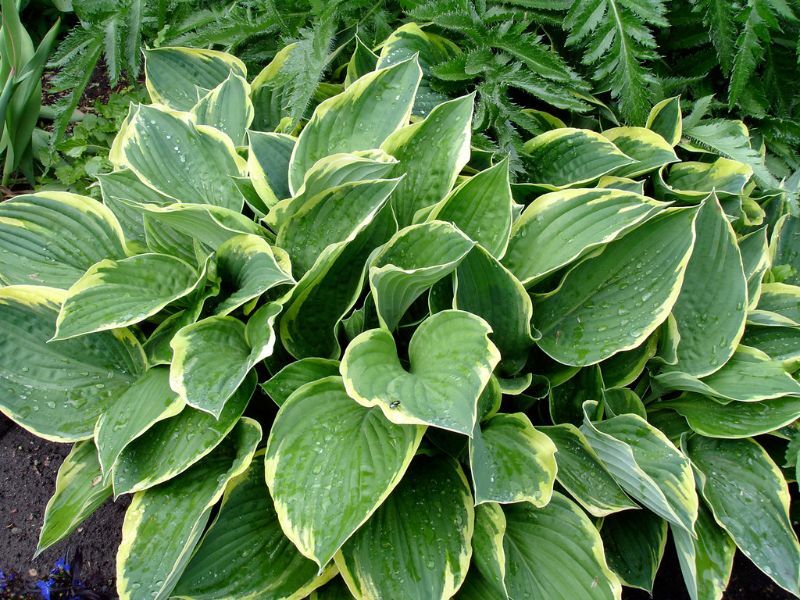
Hostas are eaten by what animal? You can usually blame deer, voles, or mice if yours suddenly vanish. Slugs, snails, cutworms, black vine weevils, and nematodes are some of the bugs that can cause more slow damage. Hostas are rarely eaten by rabbits and squirrels, however bunnies do appreciate the fragile spring shoots.
Do you know what eats hostas? If that’s the case, you’ve come to the correct place. Because different species can leave similar indications, it can be difficult to know which animal is eating your hostas.
How do I stop my hostas being eaten?
Slugs may be a way of life in your area or growth zone, depending on where you reside. So it’s best to be vigilant about slug prevention so that you don’t wind up with unkempt hostas or hostas that aren’t entirely eaten, get sick, and die. There are a variety of ways and beliefs out there that claim to deter, control, or kill slugs. We’ve done our best to uncover the most effective strategies as well as debunk myths about methods that just don’t work.
If you notice snail damage, do the following procedures as soon as possible:
Step 1: Clean up the garden area to see if there are any hiding places for slugs. Mulch, leaves, and other garden debris are all examples of this. Rake the area thoroughly and, if necessary, replace the debris with new mulch.
Step 2: Watering should be done first thing in the morning. By the time the slugs return to their old habits, the beds should be drier at night.
Step 3 – If your garden is overcrowded, you may want to try thinning or dividing the hostas. If you like a garden full of plants rather than a well-kept garden, you can skip this step.
Step 4 – In certain cases, tiny slug infestations can be controlled by picking them off the leaves at night. To find them at night, use a flashlight. Pick any that you see, and keep an eye out for them around the base of the plants, where they like to hide.
Step 5 – repeat step 1 in the spring, raking and removing any debris from around the plants. This will aid in the removal of any slug eggs prior to their hatching.
Once you’re satisfied with those steps, you can move on to more radical treatments, both natural and chemical, depending on your preferences.
Slugs will devour more than just hostas, including nasturtiums, verbena, marigolds, delphiniums, dahlias, zinnias, and a variety of other plants.
Natural Ways To Control Slugs On Hostas
Slugs can be deterred from eating your hosta leaves with a variety of home remedies. Coffee, beer, citrus fruit, and egg shells are among the most popular methods.
Frogs, toads, birds like wrens, possums, and beetles are among the natural predators that can help limit the slug population. Slugs can be controlled naturally by encouraging these critters to live in your garden by providing habitats that are suitable for them.
Using Beer
Beer is the most popular natural means to catch slugs. Place a plastic cup next to the plants and half-fill it with beer. The slugs will be drawn to the beer and will climb inside the cup, drowning.
Using Coffee
Surround the plants with old coffee grinds. The slugs are poisoned by the caffeine in the grounds. As a bonus, it also functions as a natural fertilizer for the plants! As the coffee disintegrates, it will need to be reapplied from time to time.
Using Citrus Fruit
You can use old/used orange peels or any other inexpensive citrus fruit. Place the citrus pieces near the plants that have been harmed. Slugs will abandon the plants to investigate the new treat. After you’ve removed the slugs, you can toss the discarded rinds into the compost pile.
Using Cucumbers
Leaving cucumber slices near plants you don’t want slugs to consume may appear to be counter-productive. However, giving a new supply of food for the slugs will help rescue the hostas and other plants, at least until the slugs can be caught and removed. After you’ve removed the slugs, you can compost the wasted cucumber parts, just like citrus.
Chemical Options to Kill Slugs
If the natural methods fail, you have a few options to try to get rid of the slugs. We usually advocate starting with organic methods because they are the healthiest for the environment. Unfortunately, utilizing chemicals is sometimes the only sure-fire option to solve an issue.
Using Ammonia To Kill Slugs On Hostas
Slugs are commonly killed in this manner. Spray directly on the slugs and leaves of the hostas with a 10 to 1 ratio (water to ammonia mix) using a sprayer. On contact, it should kill the slugs. It also serves as a nitrogen fertilizer. Make sure to go all the way to the stems while spraying. Slugs will occasionally gnaw holes in the stem, allowing the entire leaf to fall to the ground for an easy meal. It’s best to do this in the evening when the slugs aren’t out, and when the weather isn’t too hot.
Using Sluggo
This is a pet-friendly, all-natural slug killer that you can get on Amazon or at your local hardware shop. Follow the directions on the bottle for application. There are numerous favorable reviews for this product from successful gardeners who have used it to control their slug infestations.
Slugs aren’t bothered by cornmeal. It is actually fed to the snails that are used to make escargot in France.
-Crush some egg shells and scatter them among the plants. Slugs avoid moving over sharp objects, therefore the egg shells’ edges help keep the slugs at bay. This is a hoax, as evidenced by recordings of slugs traveling freely across smashed shells.
What animal is eating my hostas at night?
Hosta damage is frequently caused by deer, rabbits, groundhogs, and even wild turkeys. I would propose enclosing the area in a green wire cage. It should be just big enough for the hostas to make a decent start. The green should mix seamlessly with the rest of the bedding.
What is cutting off my hosta leaves?
Hostas are a perennial plant, which means they lose their leaves in the winter. This easy-to-care-for plant is known for its huge waxy leaves that produce long stalks with blossoms, although it will need to be pruned down in the fall. It is critical to prepare the hostas for winter in order to ensure strong blooms in the spring. Pests like slugs and bunnies can nibble the leaves and make them seem ragged as the weather becomes cooler. The leaves of the hostas also start to droop and die back. Trimming the hostas after the first hard freeze is beneficial.
What can I put on my hostas to keep the bugs from eating them?
Horticultural oil is the greatest approach to keep bugs away from hosta plants. Spray the hostas with 0.3 liters of water with 1 teaspoon of detergent and 2 tablespoons of horticultural oil. Cleaning the entire surface around the hostas of rotting plant debris where insects can hide is also necessary.
What can I spray on hostas to keep bugs away?
Mint also has a strong odor that most insects dislike. Combine 2 cups water, 20 drops mint essential oil, and 10 drops liquid dish detergent in a spray container. To keep bugs at bay, spray the solution directly onto plant leaves every two weeks or as needed. Grow fresh mint alongside the hostas in your garden, or slice fresh mint leaves and sprinkle around the hostas.
Will hostas grow back after being eaten?
In the correct conditions, Hosta leaves recover quickly, and these tough plants are desperate to survive. After the initial deer attack, though, guard your hostas. If hostas are repeatedly eaten, they are far less likely to recover.
Do squirrels eat hosta plants?
Squirrels don’t eat hosta in large quantities or actively seek it out. There are a few situations that lead to feeding. Squirrels, for example, will devour young, fragile plants when they emerge. During a drought, they will also feed on the water-rich foliage, leaving little stalks shooting up from the ground.
How do you get rid of cutworms?
Start with harmless approaches like plucking out and smashing the larvae or plunging them into soapy water if you’re wondering how to get rid of cutworms. When you remove and destroy plant detritus, you’ll also remove and kill any cutworm eggs that have been laid there.
Creating a barrier to keep cutworms out of your seedlings is one approach to keep them from killing them. Wrap transplants in aluminum foil or cardboard collars (think toilet paper rolls). To keep burrowing worms out, make sure the barrier reaches into the soil.
Chemical insecticides can also be used to kill cutworms, although this should only be used as a last option. If you have to use pesticides, do it in the evening when cutworms are out for feeding.
Also, instead of using pesticides, consider utilizing organic insecticides to kill cutworms. Cutworms can be deterred by washing your plants with a solution of bleach-free dish detergent and water. Bacillus thuringiensis (Bt), a naturally occurring bacteria that targets numerous caterpillar-type pests, is another option. It’s a good approach to get rid of cutworms in the garden that’s also good for the environment.
Should I cut the flower stems off my hostas?
Cut each scape when just two flowers are open if you wish to enjoy the hosta flowers in a bouquet; the remainder will emerge over two weeks inside your home. Even if you leave the flowers on the plants, you should still cut off the scapes once the blooms have faded. Cutting off each scape after three-fourths of the flower buds have opened, according to the American Hosta Society, prevents the plants from directing energy into seed production for the following year, allowing them to grow more roots and leaves instead.
Why are my hostas full of holes?
Slugs are a typical hosta pest, and they are most likely eating your plants. When the temperature rises over 50 degrees and there is enough moisture from rain or watering, slugs become active. So far, this year has been a rainy one, which means ideal circumstances for slugs. They have soft bodies and feed at night and on overcast days, resembling snails without the shell. Large, uneven holes form in the leaves as a result of the feeding damage. When populations are huge, a lot of damage can happen.