
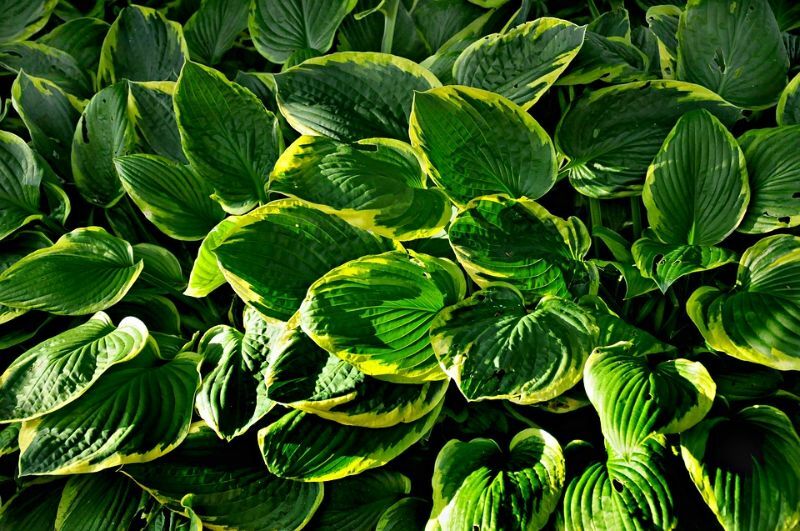
Hostas are a perennial plant, which means they lose their leaves in the winter. This easy-to-care-for plant is known for its huge waxy leaves that produce long stalks with blossoms, although it will need to be pruned down in the fall. It is critical to prepare the hostas for winter in order to ensure strong blooms in the spring. Pests like slugs and bunnies can nibble the leaves and make them seem ragged as the weather becomes cooler. The leaves of the hostas also start to droop and die back. Trimming the hostas after the first hard freeze is beneficial.
Should I cut back hostas in the fall?
Many hosta cultivars, for example, offer attractive fall color. During early fall cleanup, they are frequently trimmed back. After a few frostings, hostas will flatten out and become mushy, which is when I would clean them up. While cutting back hostas in late fall is a good idea, I frequently run out of time and don’t prune them back till spring, with no negative consequences. Cut back peony foliage late in the fall to prevent it from collapsing due to freezing temperatures.
Do you need to cover hostas for frost?
To protect hostas against frost, the first thing you can do is cover them. When you cover the plants, you create an air cushion that protects them from frost. The air will heat up from the ground and rise upwards under the fabric, ensuring that the leaves are always at a comfortable temperature.
Frosts frequently strike before the leaves have fully opened, but fresh shoots have already emerged. You should bury them with compost in this scenario so that they are not visible. They will live under such a cover. It’s critical to use good, clean compost here to avoid harming the plants. To avoid rotting, remove all compost from the shoots after frost.
Covering the plants if the leaves has already opened is the best option. This is best done with a strong anti-frost row cover. This is a particular cloth that is used to shield plants from the elements when they are being grown.
Create a frame over the plants before covering them. As I previously stated, there should be a layer of air between the leaves and the fabric. Frost can damage the leaves if they come into contact with the cloth.
Simply stick a stick into the ground near each bush that is higher than the plant. Then, on top of that, lay the garden fabric. Place stones (or something heavy) on the cover’s edge to push it to the ground; the stones will keep the wind from blowing it away. You can also use pegs to secure it.
When should I cover my hostas?
Because Hosta is a hardy plant, it does not require winter protection. The only time you could need this is in the spring. Late frosts can occur at different times depending on the hardiness zone you are in.
A table illustrating the date till which late frosts can occur in each climate zone where hostas can thrive can be found below. You may get a map of the winter hardiness zones here.
What happens to hostas in the winter?
The annual life cycle of hosta (Hosta spp.) variety exemplifies the occurrence of dormancy, or winter dieback. According to North Carolina State Extension, hostas can be cultivated in USDA plant hardiness zones 3 through 9, depending on the species and cultivar. Hostas look ugly in the winter because the plant leaves wither and collapse, giving the impression that the plant has perished. The plant stores energy in its crown during dormancy so that it may grow again when the weather warms again. Hosta, like deciduous trees and perennial shrubs, awakens from its winter hibernation with new growth that signals the arrival of spring.
Can I cut back hostas in September?
Hosta plants can be found in a variety of shady garden locations. Hosta is a perennial herbaceous plant, which means the leaves die down to the ground in the winter. When, though, should hostas be pruned?
Late in the fall, hostas should be pruned. Early in the fall, healthy hosta leaves can be kept on the plant to gather much-needed energy, but after the first frost, all leaves should be cut off to prevent slugs and other pests from making your hosta their winter home. Use a pair of pruners that are clean and sharp, such as the Fiskars SoftGrip or Felco Premium Bypass Pruners. Remove the leaves as soon as possible before the snowstorm.
When it comes to fall hosta trimming, there are a few things to keep in mind. Here’s what I’ve discovered about hostas.
Can hostas survive a spring freeze?
You might be wondering if your Hostas can resist a freeze as the autumnal equinox approaches and the first chilly temps arrive.
Hosta are hardy perennial plants that thrive in hardiness zones 3-9. Hostas, on the other hand, are susceptible to frost damage and freezing under specific conditions.
You say there’s frost and freezes? Do you mean there’s a distinction? Yes, there is, and we’ll go over everything in detail in this post. If you’d want to learn more about Hostas, or if you need to know how to prepare your Hostas for the colder weather ahead, or if you’re worried that your Hostas have already been damaged, keep reading to find out what you should do.
Will frost hurt hostas plants?
Some plants can be harmed by spring cold spells, but it all depends on how cold it gets and what kind of plants you have in your yard.
In general, plants that emerge from the ground on their own are good. The only exception is if you get a strong freeze after your local area’s regular final frost date in the spring. Some ornamental trees’ young leaves might be damaged by a late frost or freeze. Late frosts are extremely hard on several Japanese maple types. Frost damage can be seen on hosta leaves that are half open. The plants may not look as great as you’d want over the summer, but the cold won’t harm them.
Can you replant hostas in the winter?
Plants develop rapidly in the spring, making it easier for them to establish themselves in their new home. They will also have plenty of time to prepare for the winter. When the plant has emerged from hibernation and begun to thrive, it is preferable to transplant. It might be April-May in different states.
Because hostas are still sleeping in March, it is usually too early to transplant. Transplanting at this time might cause stress, making it harder for the plant to establish itself in a new location.
The end of August or the beginning of September is the next best time for transplantation. The temperature is not as high as it would be in the midst of summer, and the humidity is higher. If you transplant a hosta in the early fall, it will have plenty of time to establish itself before the winter arrives.
Because the earth is warmer in the fall than it is in the spring, some expert gardeners recommend transplanting in the fall rather than the spring. The roots develop faster in such conditions. Furthermore, the plant does not need to invest energy on the creation of new leaves and stems; instead, it must focus its energy on the formation of new roots.
It’s ideal to transplant when it’s raining, but not when it’s pouring. If it doesn’t rain, water the hosta multiple times. Replant your plants in the early morning or evening when there is no sun if the weather is sunny and dry.
Hostas should not be transplanted during flowering because it will be difficult for them. Cut the peduncles if the hosta has already begun to bloom. The plant will be able to establish itself more easily as a result of this.
Late fall is also a good time to replant the hosta, but be careful not to injure the roots. However, if the plant does not have enough time to take root before winter, it may have troubles in the future or develop slowly.
Hostas can also be transplanted in the summer, but more frequent watering is required. In the summer, avoid transplanting. You don’t want your hosta to go out of style. Choose a day with cloudy skies and high humidity.
What do you do with hostas at the end of the season?
Hosta leaves turn golden and gold in the autumn, then fade. This is the start of the plant’s dormant season, so no more lovely leaves will appear until spring. You’ll want to learn how to prune hostas in early winter because this is the time to get rid of dead leaves.
Because dead leaves attract pests, it’s a good idea to start pruning hosta plants as the foliage fades. Trim all of the leaves and greenery down to the ground level, then bag and dispose of it. This keeps things tidy in the garden and prevents bugs from snuggling up in the fallen leaves for the winter.