
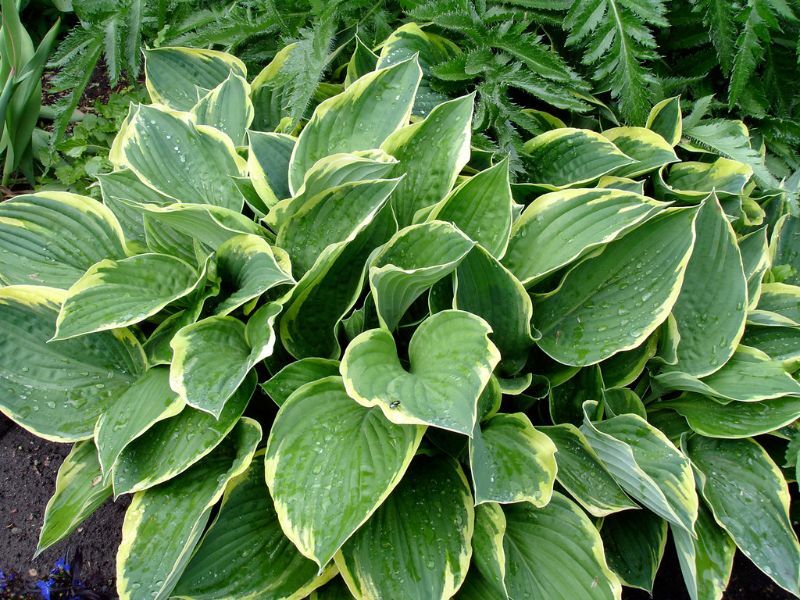
Perennialsand even small shrubshave grown increasingly popular in containers as gardens have shrunk and breeders have developed compact types. Hostas are one of the perennials that thrives in the limits of a container. They are easy to care for and available in thousands of cultivars, making them the ideal plant for busy or preoccupied gardeners.
Mini-hostas, in particular, thrive in the confines of a container and, when grouped in a group or with other small plants, may be extremely appealing on a porch, patio, or stoop. In a container, however, any size hosta can be grown.
There are simply a few things to keep in mind when growing hostas in pots. To begin, most experts advise choosing a pot that is slightly smaller than the plant’s mature size. When planting the hosta in the container, leave less than 3 inches between the roots and the container’s edge. A small container may necessitate more regular waterings, but this is better for the plant’s general health.
Make sure your container plantings have good drainage, as with all container plantings. After a thorough soaking, the water should freely drain out of the bottom of the pot. Drill a couple more holes in the pot to improve drainage. It’s preferable to water the container thoroughly less frequently than to give the plant a small amount of water every day. However, if the weather is really hot or dry, you will almost certainly need to water your container every day or two. Hostas have the advantage of wilting a little when they get dry, but not completely drying up and dying. Your hostas are requesting a drink if they are withering. The major danger with hostas is overwatering, which can lead to crown rot.
Use a normal potting soil (never garden dirt) and water the plant in when growing hostas in pots. Fast-draining soil is recommended by some gardeners. Place the container outside in a shady or partially sunny location. While some hostas may tolerate heavy shade, the majority prefer dappled shade or morning sun.
Your hostas can be kept in pots year after year, but it’s not as simple as overwintering them in the garden. In fact, some people may winterize their container hostas by planting them in the ground. Other gardeners bury their pots outside, just like a garden hosta would, so that the roots lie underground. Another alternative is to move the pots to a covered location (such as the side of the house) and cover them with a thick layer of mulch. However, if we have a really harsh winter, this could be difficult. After the pots have gone dormant, a fourth alternative is to store them in an unheated garage or shed. However, the plants will need to be watered a few times during the winter to prevent the soil from wicking water away from the dormant roots. Do not attempt to keep hostas as houseplants over the winter. They require a time of cold and dormancy.
Do hostas do well in pots?
Containers are a perfect fit for shade-loving hostas. They bring appeal to flower gardens, patios, and porches with their show-stopping foliage.
Perennial hostas are known for their colorful leaves, which range from chartreuse to green and deep teal. Stripes and textures abound, with some even having a puckered seersucker impression. All of this, plus blooms in the late summer.
The flower stalks aren’t the main attraction, but they will give containers architectural height and, in certain cases, smell.
Any planter will do, but urns work particularly well with hosta. Make sure you obtain a container with a diameter of at least 20 inches. Slugs and snails prefer to eat the foliage of hostas, therefore growing them in urns protects them. Deer that are looking for a snack may look elsewhere due to the proximity to the house.
Look for smaller kinds like Whirlwind when selecting hosta plants for containers, and save the larger ones for the landscape.
How often should you water hostas in pots?
Small or medium plants will require a good soak once a week once they have established themselves. Hostas tolerate drought but need moist, well-drained soil. Increase the watering frequency to three times per week if the weather is warm. Large hostas should be watered twice a week in the summer and daily in the winter, especially if they get a lot of sun.
Growing Hostas in pots necessitates more frequent watering. Because pots drain faster than gardens, giving the plant the slow sip it requires can be difficult. Water the pot every three days during the summer months. If the soil still appears to be too dry, it may need to be watered on a daily basis.
How often should I water potted hostas?
When it comes to growing hosta, the amount of water needed depends on the circumstances in the garden as well as the time of year. From winter to summer, the technique of watering a hosta plant will vary. Watering requirements for growing hostas increase during the hottest stages of the summer season and decline as the weather cools and the plants become dormant in the fall.
Hosta irrigation is necessary to guarantee that the plants grow to their full potential and remain healthy. These plants demand soil that is both well-draining and consistently moist at all times. This can be accomplished by employing soaker hoses or drip irrigation systems to water the plants on a weekly basis.
Watering a hosta deeply, as with many perennial plants, is essential – they require around an inch (2.5 cm) of water each week on average. Plants can develop a more robust root system that is better able to access water deep in the soil if they are watered on a weekly basis.
Can a hosta be an indoor plant?
Hostas are a leafy, shade-loving perennial with rich foliage and beautiful flowers that will impress any client. Hostas are ideal for indoor plant arrangements due to a variety of qualities. The foliage, which is their most beautiful feature, will lend depth to any plant arrangement. Hostas are a plant family comprised of several species and cultivars that come in a wide range of color, size, and shape, making it simple to select the right match for any plant arrangement. Hostas grow nicely in containers and don’t require direct sunlight, so they can be grown indoors.
When can I put my hostas outside?
- When choosing a location for your hosta, keep in mind that they are shade-tolerant, not shade-loving.
- Choose a location that gets enough early sun to let the foliage and blooms to grow. The afternoon sun is too severe, resulting in yellowed leaves and possibly the plant’s death.
- Hosta may be grown in Zones 3 to 9, and they just need 30 days of freezing temperatures to go dormant. Hardy hosta are back in action when the ground warms up, unfurling their young shoots.
- From early spring to late summer, and up to 30 days before the first frost in the fall, plant hosta.
- Hosta prefer slightly acidic, well-drained soil; be careful to incorporate lots of organic matter into the bed.
Should you cut down hostas for winter?
Hostas are a perennial plant, which means they lose their leaves in the winter. This easy-to-care-for plant is known for its huge waxy leaves that produce long stalks with blossoms, although it will need to be pruned down in the fall. It is critical to prepare the hostas for winter in order to ensure strong blooms in the spring. Pests like slugs and bunnies can nibble the leaves and make them seem ragged as the weather becomes cooler. The leaves of the hostas also start to droop and die back. Trimming the hostas after the first hard freeze is beneficial.
Do hostas grow back every year?
Hostas are perennials, which means they will return year after year, bigger and better. In Zones 3 to 9, most hostas thrive. These adaptable shade plants generate a pile of leaves, but each variety has its own characteristics, such as plant size, leaf shape, and leaf color.