
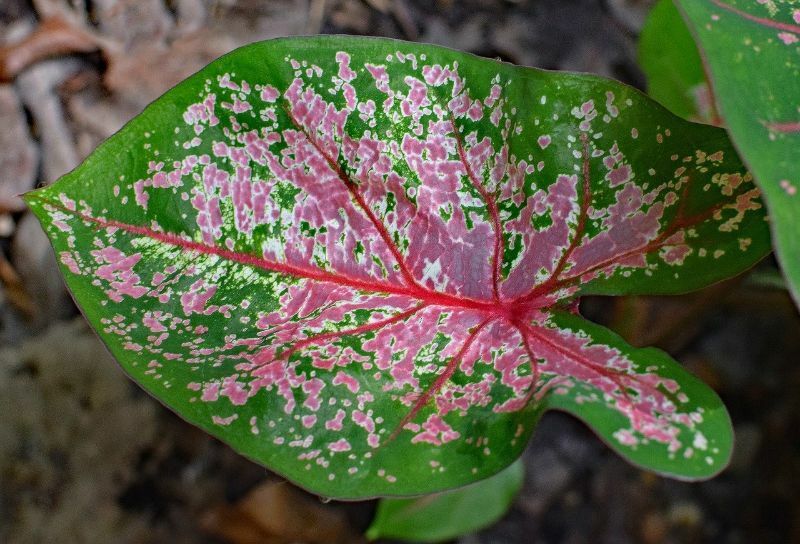
They thrive in high heat, strong but indirect light, and plenty of humidity when cultivated inside. Caladium foliage lasts only a few months even in ideal conditions before the leaves fall back and the plant stays dormant, which is typical.
Can you bring caladium indoors for winter?
Tender tubers and bulbs must be lifted in the fall to avoid being killed by frost. Caladium tubers are frost fragile, and if exposed to cold, they will perish. As a result, they must be taken indoors in northern latitudes, and even in milder climates, they will normally die back in the winter. This is all well and good, but the tubers that produce the foliage require some rest. Caladiums are popular indoor plants among gardeners. Caladium care indoors requires some additional guidelines to keep the plants healthy and the tubers safe.
Plants that grow in areas with cold winters could be grown in containers to make it easier to bring them inside when the weather turns chilly. Caladiums are difficult to grow as indoor plants because they require high humidity, which is difficult to provide in warm home interiors.
Caladium plants also only produce leaves from spring to fall, and then require a five-month rest time to recharge and sprout again in spring. You can prolong the foliar display by putting containers indoors, but the leaves will eventually die back and the tuber will become dormant until the weather warms again.
Bringing plants indoors in containers will maintain the tubers and protect them from damage during the winter months when they are exposed to the elements.
How do you take care of a potted caladium indoors?
Caladiums prefer bright, indirect light to thrive (full sun would fry them in a heartbeat). Keep the soil evenly moist don’t allow it get too dry, but don’t let it get too wet, or the tubers will rot. Group pots together, even with other houseplants, to enhance humidity.
Can caladiums grow indoors year round?
Caladium cultivars have a busy growing season that lasts from spring to late October. Even when maintained inside, these plants require rest and replenishment. When the leaves begin to die back, wait for them to finish the process before removing them. During their dormant period, which lasts from late fall to early spring, the plants can be kept in the pot. During this period, though, do not water them.
How do you keep caladiums over winter?
You have two options at this point: leave the tubers in the ground or dig them up, store them, and replant them next year.
Caladiums tolerate a lot of shade, and some cultivars even do well in full sun, but they thrive in part-shade to part-sun in well-drained beds that are rich in organic matter and maintained evenly moist.
Your caladiums should have produced nice-sized tubers by this time if you gave them the growing conditions they prefer this summer (as big as or bigger than the ones you planted). These tubers can be left in the ground or preserved and transplanted the next year to grow caladiums.
You might just leave the tubers in the ground if the beds where the caladiums are planted would remain reasonably undisturbed through winter and drain nicely. Keep the area mulched to protect the tubers in the event of a particularly cold spell. They will live and come back up next year because the earth here does not freeze.
The tubers may rot if the bed stays damp over the winter, which is common in our rainy winters. In general, digging and storing caladium tubers over the winter has proven to be more reliable than leaving them in the ground. But don’t be afraid to give it a shot.
If you want to transplant the area with cool-season bedding plants like pansies, you’ll need to remove the tubers to make room for the new plants. Alternatively, excavate them if you simply want to make sure they’ll be safe over the winter.
When a number of leaves turn yellow and most of the foliage appears “weary” and falls down, caladiums should be dug. If you wait until all of the leaves has vanished, you may have difficulty locating the tubers. As a result, it’s more probable that you’ll harm the tubers or leave some behind.
How long do caladiums live indoors?
Caladium is a South American native that thrives inside in indirect light, giving it a stunning tropical accent for any house. The flashy season is expected to extend 6 months or longer. Caladiums thrive in warm, humid environments. Provide them with bright, indirect light as well as humidity.
Can you grow caladiums in pots?
Caladiums are easy to raise from tubers, which can be obtained in the Garden Center in the spring with summer-blooming tropical bulbs. Place the tubers in a potting mix container, water regularly, and fertilize every two weeks. These can be grown in pots or in a garden bed.
Where do caladiums grow best?
Caladiums thrive in shaded areas of the yard and garden. They thrive in full to partial shade in southern climates. Most caladiums can be grown in the sun in northern climates if they are given enough water and their leaves are shaded during the warmest portion of the day.
How long does it take for caladium bulbs to sprout indoors?
As houseplants, they thrive both outside and inside. Caladium bulbs can take anywhere from two to twelve weeks to germinate, depending on the variety you choose. They thrive in hot temperatures, therefore the warmer the ground and air temperature when you plant them, the faster they will grow.
Are caladium indoor or outdoor plants?
Caladiums are tropical plants that come in a wide range of colors and patterns. They are native to the Amazon River’s banks in South America. Caladiums look great in pots, hanging baskets, and landscape mass plantings. Red, pink, and white are the primary hues, and each variety of Caladium has its own distinct and interesting color combination of two or more of these colors.
Where to plant caladiums
Caladiums grow well outside in the summer and offer a luxuriant, exotic accent to your yard or garden. The majority of Caladiums prefer to grow in the shadow or partial shade, however certain kinds are more sun resistant (see the caladium catalog page) and can be planted in places with little shade. They’re a terrific way to brighten up shady spots. They’re frequently utilized as border plants, along the sides of houses, or in flowerbeds. They make beautiful patio container plants and can also be utilized in window boxes.
When to Plant Caladium Bulbs
Caladiums are tropical tubers that need to be kept warm to thrive. It is crucial to wait until your soil temperature reaches or exceeds 70 degrees Fahrenheit before planting your caladiums. Germination will be greatly delayed if the weather is cool. On the map on the left, you can see the recommended planting date for your area.
Why are my caladiums drooping?
Salt buildup in the soil of potted caladiums causes leaf droop. A yellow or white crust on the top of the soil or a ring around the inside of the pot indicate excess salts. Pour twice the volume of water a pot holds onto the soil and let it run out the drain hole to fix this in pots with drainage holes. Fill the container with water in a steady stream. Leach potted plants every four to six months to avoid salt buildup. Plants that have become severely coated will need to be repotted.