
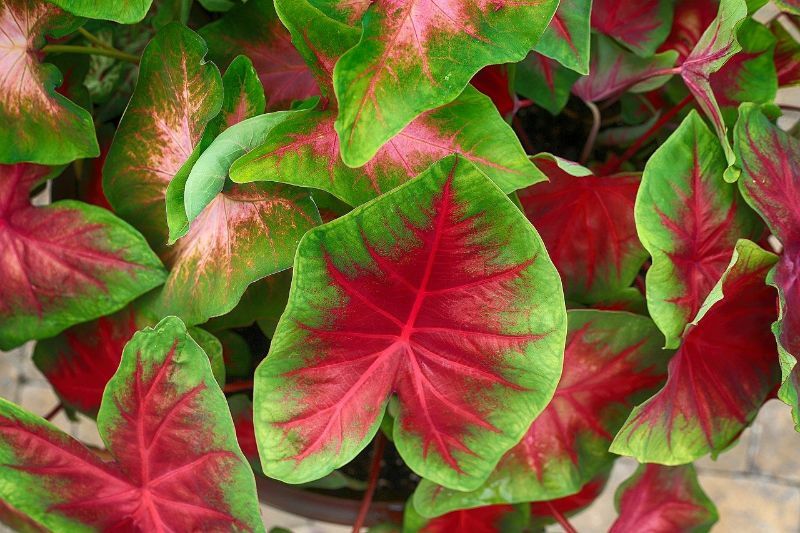
In addition to their scientific name, houseplants have a variety of colloquial names. Elephant’s Ear, Mother-in-Law Plant, Candidum, Stoplight, and many other names have been given to Caladium. The distinguishing feature of this attractive but dangerous houseplant is its green, heart-shaped leaves with pinkish-red splotches. Chewing on Caladium produces acute irritation and swelling of the mouth, tongue, and throat in both dogs and cats, as calcium crystals induce soft tissue injury. Excessive drooling, vomiting, and trouble swallowing may also occur; if you see any of the following symptoms, call your veterinarian.
What if a dog eats a Caladium?
Caladiums are houseplants that have heart-shaped leaves that resemble wings. In fact, some people refer to this plant as having angel wings or having the heart of Jesus. Your dog may be poisoned by this herb. In fact, if not treated promptly, it can be lethal. The first symptom you’ll notice if your dog consumes any part of the caladium plant is a swollen airway that leads to incapacity to breathe. You can relieve this problem by rinsing your dog’s mouth with cool water and a washcloth. Remove any plant debris from your dog’s face and rinse his eyes, but do not make him vomit unless your physician instructs you to. The fluids inside the leaves and stalk, as well as the thorns, irritate your dog’s skin. This might result in skin irritation, itchiness, and redness.
The caladium plant, which contains an insoluble calcium oxalate acid, causes caladium poisoning. Crystals of calcium oxalate leech into the tissues of your dog’s skin and mouth, causing harm to the mouth. Caladium poisoning is characterized by pawing at the face and mouth, vomiting, froth, and drooling. Swelling of the lips, tongue, and upper airway can cause breathing problems and swallowing difficulties. If you do not get medical attention right once, your dog may succumb. The liquid or oils inside the leaves and stem can potentially cause a toxic reaction in your dog’s skin and eyes, as well as puncture wounds from the thorns.
What if my cat eats a Caladium?
Treatment for calcium oxalate ingestion can usually be done at home. If your pet has consumed a plant that contains calcium oxalate, the mouth should be thoroughly cleaned and cleansed with water. By precipitating some of the calcium oxalate crystals, the animal can be given yogurt, milk, cheese, or any other calcium source to provide pain relief. The vast majority of pets will recover completely within 12 to 24 hours of ingestion. When a pet has more severe gastrointestinal upset, such as chronic vomiting and diarrhea, they should be closely examined for signs of dehydration and given fluid therapy if necessary. Antihistamines, such as diphenhydramine, may be given to the pet as a prophylactic step or in cases when there is visible oral swelling (Benadryl). This will aid in the reduction/prevention of swelling, pain, and potential airway obstructions caused by the body’s inflammatory reaction. 2 to 4 mg/kg by oral or intramuscularly every 8 hours as needed is a typical dosing rate.
Kapectolin can be given at a dose rate of 1 to 2 ml/kg four times a day to relieve gastrointestinal distress. The coating activity of kapectolin protects the stomach lining. Sucralfate, which combines with stomach acids to generate a paste-like material that functions as a barrier between the stomach and its contents, can also be used to treat gastrointestinal irritation. Sucralfate is usually administered to dogs who weigh more than 60 pounds: 1 g every 6 to 8 hours; 0.5 g every 6 to 8 hours for dogs under 60 lbs; 0.25 g every 8 to 12 hours for cats to minimize stomach and intestinal irritation.
If the airway gets obstructed due to swelling, the animal should be monitored in a veterinarian’s office until the swelling subsides and the animal is breathing regularly. Avoid ingesting more of the plant and get advice from a veterinarian.
Are all caladiums poisonous?
Caladium plants are deadly in all sections, especially to children and many types of pets. Poisoning has the potential to be fatal. If a kid has eaten the plant, call 911 or the National Poison Control Center.
Is Begonia toxic to dogs?
Begonia spp. is the scientific name for the plant Begonia spp. In dogs and cats, clinical signs include kidney failure (in grazing animals), vomiting, and salivation. The most hazardous area is underground.
How do you treat Caladium poisoning in cats?
Because there is no specific treatment for Elephant Ear Poisoning, the primary focus will be to treat the cat’s symptoms and keep it as comfortable as possible.
If the elephant Ear plant has caused severe irritation in the eyes or mouth, it should be cleansed with water to relieve the discomfort.
If the cat has had gastrointestinal problems for a long time, it may start to dehydrate. Intravenous fluids can help the cat rehydrate and replenish electrolytes that have been lost. Throughout the incident, the cat’s respiration and organ function should be checked.
Elephant ear poisoning symptoms can be alleviated by giving the cat certain medications. If the cat is having adverse symptoms after being exposed to the plant, antihistamines such as diphenhydramine might be given. By coating the stomach lining, either Kapectolin or sucralfate can help to relieve gastrointestinal irritation.
How do I keep my cat from eating my plants?
Unfortunately, if you have a cat, these plants can be especially tempting for them to eat while you’re not around, and although some may be healthy for your feline friend, others may put him or her at risk of poisoning or a variety of other feline health issues. Fortunately, there are a variety of ways to keep your cat from eating your houseplants while also incorporating these creative ideas for a cat-friendly home.
Utilize chili powder.
If you have a non-toxic plant in your home that your cat refuses to leave alone, spreading chili powder on the leaves is a fantastic technique to keep him away. If you lightly coat the plant with the spice, your cat will quickly learn to avoid it. In the weeks after the application of the chili powder, make sure to water your plants from the bottom to keep the spice from washing away. Finally, wrap aluminum foil around your potted plants; cats despise the sensation beneath their feet and will avoid your plants in the future.
Is Caladium an indoor plant?
Tender tubers and bulbs must be lifted in the fall to avoid being killed by frost. Caladium tubers are frost fragile, and if exposed to cold, they will perish. As a result, they must be taken indoors in northern latitudes, and even in milder climates, they will normally die back in the winter. This is all well and good, but the tubers that produce the foliage require some rest. Caladiums are popular indoor plants among gardeners. Caladium care indoors requires some additional guidelines to keep the plants healthy and the tubers safe.
Plants that grow in areas with cold winters could be grown in containers to make it easier to bring them inside when the weather turns chilly. Caladiums are difficult to grow as indoor plants because they require high humidity, which is difficult to provide in warm home interiors.
Caladium plants also only produce leaves from spring to fall, and then require a five-month rest time to recharge and sprout again in spring. You can prolong the foliar display by putting containers indoors, but the leaves will eventually die back and the tuber will become dormant until the weather warms again.
Bringing plants indoors in containers will maintain the tubers and protect them from damage during the winter months when they are exposed to the elements.
What is the benefits of caladium plants?
This is a shade-loving plant, so it’s perfect for shady gardens, yards, patios, and even within the home. These plants do not succumb to significant diseases or insect infestations when properly cared for. The leaves are delicate, but if kept out of the wind and sun, they will grow. Caladiums are popular as annual plants.