
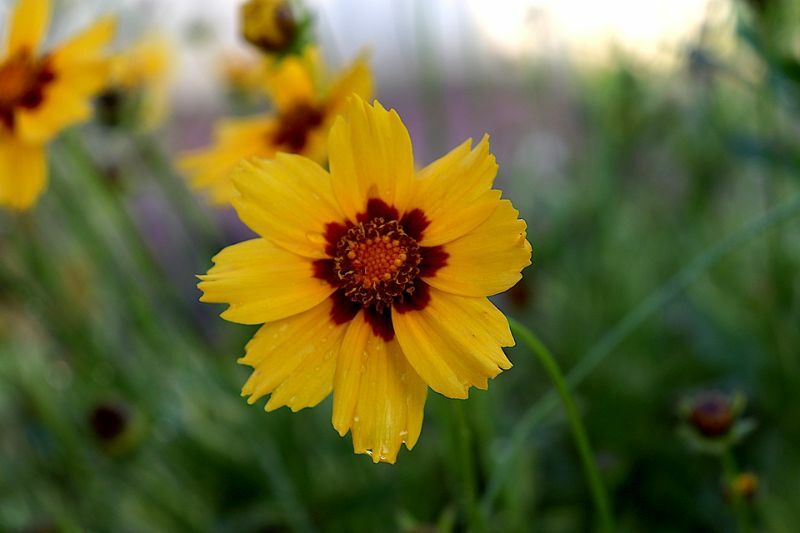
Deer rarely nibble on Lance-leaf coreopsis, but you can plant Threadleaf Coreopsis with even more assurance, as it receives only a few nibbles from passing deer. Drought-tolerant and fertilizer-free, Coreopsis is a simple plant to grow. Deadheading blossoms throughout the summer might encourage additional blooming.
Are all coreopsis deer resistant?
Coreopsis plants (also known as Tickseed) are deer resistant and attract butterflies. Our native Coreopsis are known for their beautiful yellow flowers and are prized for their long bloom time. Tickseed blooms from late spring to late summer, and the yellow blossoms are always welcome. Coreopsis flowers are easy to grow and make excellent cut flowers. These perennials prefer full sun and well-drained soil. Keep the plants deadheaded for the finest flowering results. Leave a few seed heads on the plant at the end of the season so it can self-seed.
Are coreopsis deer and rabbit resistant?
Coreopsis berry chiffon is a soft and dainty perennial. It blooms in the summer and continues to do so into the early fall. Pollinators are attracted to the flowers, while deer and rabbits are not. Berry Chiffon Coreopsis is a new tickseed variety with bright pink and white flowers that endure for a long time. This plant’s foliage is thin and feathery, adding softness to any landscape.
What kind of flowers will deer not eat?
Let’s be honest: there are no plants that are completely deer-proof. Deer have been known to consume practically anything if food is scarce. Deer will be most active from October to February, when they will be browsing the most.
However, there are several plants that are unappealing to deer. As a result, we want to develop plants that aren’t the deer’s first pick.
It’s worth noting that “In the first few weeks following planting, when their leaf tissue is extremely nitrogen-rich, “resistant” types can be vulnerable. If you have a lot of deer in your yard, we recommend spraying new plants with a deer repellent 3 to 4 weeks after planting to keep them from getting nibbled and harmed. Even if they are devoured, the plants should survive as long as their root systems are not harmed.
Deer-resistant plants have been identified through research and can be designated “Deer-repellent.” Take a look at the list below.
Which Plants Do Deer Like to Eat?
Some plants are referred to as “deer candy.” We surely don’t want to be squandering our hard-earned cash on a deer smorgasbord.
- According to University of Rhode Island researchers who researched white-tailed deer damage to nurseries, animals have a special liking for hostas, daylilies, and English ivy.
Which Plants Do Deer Dislike?
- Poisonous plants are avoided by deer, which is understandable. Deer avoid daffodils, foxgloves, and poppies because they are harmful to them.
- Deer also have a great aversion to fragrant plants with strong odors. Deer dislike herbs like sages, decorative salvias, and lavender, as well as flowers like peonies and bearded irises.
- Would you like to eat a spiky plant? Deer, on the other hand, don’t do it (unless they’re desperate). Plants like lamb’s ear aren’t on their list of favorites.
Deer-Resistant Plants for Shade
- Bleeding hearts are one of our favorite deer-resistant perennials (Lamprocapnos spectabilis, aka Dicentra spectabilis).
- Astilbe is a deer-resistant plant that thrives in the shade. The combination of Astilbe ‘Bridal Veil,’ ‘Visions,’ and ‘Fanal’ is lovely.
Deer-Resistant Plants for Sun
- The butterfly-friendly Coreopsis verticillata ‘Zagreb’ blooms from May to September and attracts butterflies but not deer.
- Blazing Star (Liatris spicata ‘Kobold’) is another sun-loving perennial that isn’t a favorite of the deer.
- Echinacea purpurea is a pollinator magnet and one of our favorite native flowers.
- Finally, the popular Leucanthemum x superbum ‘Becky’ is a deer-resistant variant of Shasta Daisy.
List of Top Deer-Resistant Plants, Flowers, and Shrubs
Here’s a list of common plants that deer rarely or never harm. Remember that the first rule of deer-proofing is that there are no plants that are entirely deer-proof.
Do deer eat zinnia plants?
The 2019 Pantone Color of the Year, Coral Zinnia, is a lovely warm pink flower to incorporate in your landscape. Deep green foliage contrasts wonderfully with brightly colored flowers on tall, strong branches. From summer through frost, zinnias attract butterflies and beneficial pollinators. Cut flowers will be plentiful with these easy-to-grow flowers. Zinnias are also deer resistant! At American Meadows, all of our seed is non-GMO, neonicotinoid-free, and guaranteed to grow. Annual.
What plants do deer hate the most?
Deer-Resistant Plants (24 of them)
- Marigold (French Marigold) (Tagetes) French marigolds are a favorite of gardeners globally since they come in a rainbow of vibrant hues and bloom for a long time.
What animals eat coreopsis?
In the fall and winter, tickseed Coreopsis is a favorite of deer. Rabbits and groundhogs are among the mammalian herbivores that consume the plants. The seeds are delicious to goldfinches and other birds.
Are Black Eyed Susans deer resistant?
It may sound like a fantasy to have a lovely garden that returns year after year and keeps hungry deer away, but it is possible! Make a whole deer-resistant garden out of plants that these animals despise.
A hungry deer, of course, will eat just about anything. Because they are aromatic, thorny, or sap-filled, these plants repel. Use them in your garden to keep deer away from your favorite plants, such as garden phlox and hosta.
Bee balm’s minty aroma repels deer, yet pollinators can’t get enough of it. From July through August, Bee Balm blooms in violet blue, red, pink, or white and grows to be around 2-3 feet tall. For huge, robust blossoms, feed your Bee Balm with Espoma’s Organic Flower-tone fertilizer. Zones 48 are the best.
Lavender is a must-have for any garden since it repels pests and deer. Deer are put off by its fluffy and aromatic leaves. Between June and August, the majority of types bloom. Lavender requires full sun and well-drained soil to thrive. Throughout the growing season, feed with Espoma’s Plant-tone. Zones 59 are suitable for this plant.
Black-eyed susans thrive in the sun, their dark brown centers poking out from among the gold or golden petals. Deer and bunnies keep away from it because it is coated with coarse hair. These daisy-like blossoms are ideal for a bouquet in the late summer or fall. They reach a height of around 2 feet and can withstand extreme heat and drought. In zones 39, grow in full sun.
Deer despise yarrow, a bright yellow perennial with fluffy foliage. It blooms for a long period of time, from June to September. It’s a tall bloom, growing to a height of 2.5-3 feet on average. With Espoma’s Organic Garden Soil, you can give your flowers a firm soil foundation to help them bloom. Zones 38 are the best for this plant.
Deer-resistant gardens will benefit from the brilliant bell-shaped blossom with freckles on the interior. Because it is poisonous to deer, this plant is labeled as deer-resistant (and humans). Because many foxgloves are biennials, blossoms don’t appear until the second year after they’ve been planted. However, newer hybrid forms are perpetual. Because they are self-sowers, they will bloom year after year if the stalks are left in place. Keep the flowers going with Espoma’s liquid Bloom! Zones 49 are ideal for growing this plant.
Bleeding heart is a traditional cottage staple with a sap that deer dislike. Beautiful blooms emerge in late spring and linger throughout the summer, while the foliage remains attractive far into the fall. It’s easy to understand why their floral pendants, which come in rose pink and white hues, will be a success. It’s impossible to go wrong with a little romance. Zones 48 are suitable for this plant.
Are weigela deer resistant?
These wonderful deciduous flowering shrubs are loved by butterflies and hummingbirds, but not by deer! Weigelas are a simple plant to grow. From spring to fall, the Sonic Bloom Red Weigela has true red blooms.
Do squirrels eat coreopsis?
Question: We have a wildlife corridor behind us. Perennials make up the majority of the landscaping in our backyard. There are several bird feeders in our yard. Ground squirrels are attracted to all of these reasons. We erected an 8-foot waterfall, and a pair of squirrels wanted to live under it right away. We have around ten squirrels presently, and they are consuming a lot of our perennials (rudbeckia, coreopsis, cosmos, blanket flowers, etc.). My annuals, like as poppies, sweet peas, and nasturtium, are also eaten. Is there a list of annuals and perennials that squirrels despise?
Answer: I’ve never seen a list of unpleasant plants for ground squirrels, but I’ve seen them for deer, gopher, jack rabbits, cottontails, and rats. To put it bluntly, they’ll eat practically anything, with the possible exception of daffodils, which contain a poisonous alkaloid strong enough to deter even gophers.