
Crown rot (Sclerotium fungus), root rot (Rhizoctonia fungus), and stem rot can all affect Coreopsis (Alternaria, Rhizoctonia or Sclerotinia fungi). Fungicides can treat all of them if you spot an infection early, figure out which disease you have, and apply the proper medicine at the right time (way too complicated for most home gardeners).
Will my coreopsis come back?
Many perennials benefit from being cut back for the winter months so that they can come back with vigor the following spring.
Cutting them back at all, though, might be fatal for this short-lived perennial. The stems and foliage on the plant benefit from being left intact since they act as insulation and help shield the crown from the cold.
So, regardless of your growth zone, after the plant has died all the way back, you should ideally leave the stems and foliage in situ. In the fall, the leaf changes color to a lovely mahogany before drying to a brownish-gray tint, giving dimension to your landscape.
Yes, you’re putting some tasks off until the spring. All you have to do is cut the dead stems down to two to three inches above the ground once the earth thaws and all risk of frost has passed, and fresh blossoms will sprout.
You can cut your coreopsis down to four to six inches above the ground if you need a neat, clean look in your garden over the winter. The stems will provide some insulation for the crown, and your landscaping will seem neater as a result. If you cut any more, you risk losing your daisy-like perennial to the harsh winter weather.
Can you overwater coreopsis?
Crown rot can occur when Coreopsis is grown in excessively wet conditions. Crown rot can make plants look as if they need more water, with withered, discolored leaves. Small white fungal growths and webs appear as well. These plants should be removed and discarded. To prevent the fungus from forming, plant coreopsis crowns slightly higher than soil level and remove any mulch from around the base of the plant. Powdery mildew, which appears as a white fuzz on the upper surfaces of leaves, can also be a problem with coreopsis, however it is primarily an aesthetic one. Increase the distance between plants to improve air circulation, or use copper sulfate at the first sign of disease.
What is killing my coreopsis?
Crown rot in coreopsis crops is caused by the fungus Sclerotium rolfsii. As the plant wilts and dies, white fungal webbing forms around the base, and the leaves and blooms become brown. Rhizoctonia solani, Alternaria, and Sclerotinia sclerotiorum fungi cause stem rot, which has similar symptoms. The plant’s stems turn yellow, and pieces of it collapse and die. The Rhizoctonia fungus can also cause root rot, while Phymatotrichopsis is sometimes to blame. Before wilting and dying, the plants turn yellow. To prevent the disease from spreading, remove any afflicted plants.
How often should you water coreopsis?
- During the coreopsis growing season, keep weeds at bay. Weeds compete with plants for water, space, and nutrients, so keep them under control by cultivating frequently or using a mulch to keep them from germinating.
- Mulches also aid in the retention of soil moisture and the maintenance of consistent soil temperatures. For perennials, an organic mulch of weathered bark or shredded leaves gives the bed a natural aspect while also improving the soil as it decomposes. Mulches should never be placed on a plant’s stems to avoid decay.
- In order to get perennials off to a good start, they need to be watered carefully. At least once a week, water thoroughly to encourage new root growth. At about 1 inch below the soil surface, the earth should be wet. Stick your finger in the soil to see if this is true. Water early in the morning to allow all of the leaves to dry. For most perennial plants, one inch of rain or irrigation each week is suggested. Using a rain gauge, you can see if you need to add more water.
- Some protection from strong winds and direct, hot sunlight may be required until the plants grow established.
- It’s also crucial to have good air circulation.
- A mild fertilizer can be administered after new growth appears. To avoid burn harm, keep granular fertilizers away from the plant crown and foliage. Slow-release fertilizers should be applied at modest rates, as greater rates may induce root rot.
- After the ground freezes north of zone 6, Coreopsis benefits from a protective winter mulch.
- For propagation or to reinvigorate aged clumps, divide the plants in the spring or fall.
How do you maintain coreopsis?
- By mixing Miracle-Gro Garden Soil for Flowers with the native soil in your garden bed, you can create a perfect habitat for plants to take root.
- Plants should be watered thoroughly at the time of planting and as needed during the season.
- Feed Miracle-Gro Shake ‘n Feed Rose & Bloom Plant Food to your plants for huge blooms and loads of color.
How many years do coreopsis live?
Although perennial coreopsis are tough plants, they only last three to five years on average. A decrease in flowering indicates that it’s time to divide the plants (or start over from seed) in order to propagate them.
Does coreopsis need full sun?
Full sun and partial shade are the optimal conditions for Coreopsis. Plants can be grown in partial shade as well, although they will not bloom as prolifically. They can withstand the sun and extreme temperatures. Coreopsis prefers well-drained soil, but they don’t mind if it’s stony and deficient in nutrients.
Should I deadhead my coreopsis?
If you’re seeking for long-lasting summer color after most perennial flowers have faded from the garden, Coreopsis spp. might be the answer. Coreopsis flowers, often known as tickseed or pot of gold, are simple to care for. You’ll adore the sunny blooms of coreopsis throughout the gardening season once you’ve learnt how to grow them.
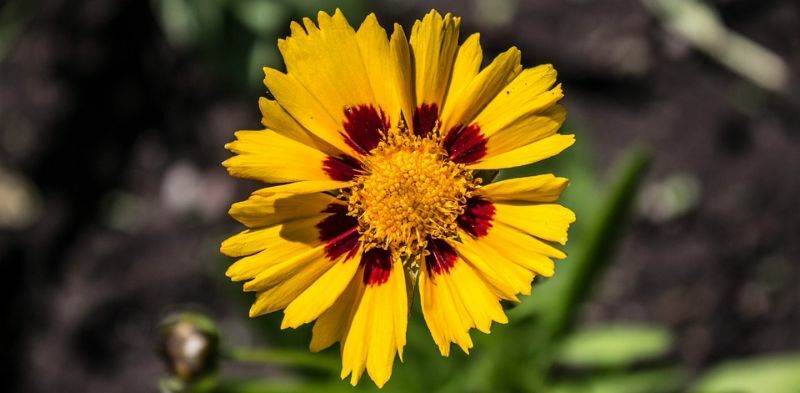
Coreopsis blooms occur in a variety of heights and can be either annual or perennial. The blossoms of growing coreopsis, a member of the Asteraceae family, are similar to those of the daisy. Petals come in a variety of colors, including red, pink, white, and yellow, with many having dark brown or maroon centers that provide a fascinating contrast to the petals.
Coreopsis is a native of the United States, with 33 species identified and listed on the USDA’s Natural Resources Conservation Service’s plant database website. Although Coreopsis is Florida’s state wildflower, numerous varieties are hardy to USDA plant hardiness zone 4.
What do you do with coreopsis in the fall?
Laying compost or manure in the fall will allow it to break down during the winter. Mulch, if desired. The coreopsis plant should be left alone. If using fresh manure, keep it away from the roots of the plants because the high nitrogen content of non-composted manure might cause the plants to burn and die.
Why are my coreopsis leaves turning black?
Coreopsis is rarely affected by mildew until after the first flowering. Coreopsis leaves that have been badly affected become discolored and deformed, then fall off. Fungi also generate a variety of leaf patches. These grow on damp leaf surfaces and disfigure the leaves by causing translucent to brown or black patches.