
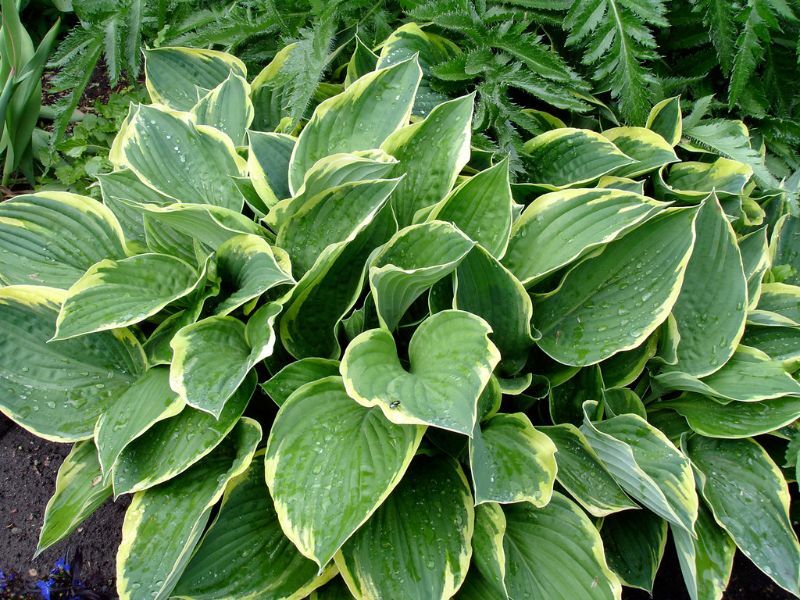
Hostas are perennials, which means they will return year after year, bigger and better. In Zones 3 to 9, most hostas thrive. These adaptable shade plants generate a pile of leaves, but each variety has its own characteristics, such as plant size, leaf shape, and leaf color.
How do I know if my hostas are dead?
Check for dead or dying stems in the heart of the hosta plant. With each consecutive season of growth, hostas spread outward. A withering center could simply be a sign of the plant’s typical growth cycle.
Can I grow hostas?
In hardiness zones 3 through 9, hostas are fairly easy to grow. Check out What’s My Zone? for more information. to determine which zone you reside in Some hostas thrive in hotter climates than others, albeit they are often smaller than cultivars produced in cooler climates. Because they have H. plantaginea in their DNA, fragrant hostas thrive in the South. Heat tolerance is stronger in H. plantaginea variants.
How long will it take for the hostas I get from you to reach their mature size?
The time it takes for a hosta to attain the mature size indicated varies depending on the hosta. Hostas that are smaller and more vigorous can mature in 3 to 5 years. It can take up to 7 years for giant and slower growing hostas to attain their full potential. The quality of your soil and the amount of available moisture might also have an impact. For the best results, read our Hosta Growing Tips.
Why did my hosta die?
While we may never know for sure why certain hostas die, it is almost always due to poor maintenance or pest damage. A newly planted hosta may perish if it is not properly cared for, whether due to a lack of water, too much water, or even a lawn mower accident. Pests such as mice and voles, as well as excessive freezing and thawing, are the most common reasons for a hosta’s failure to return from its winter hibernation. We’ve compiled a list of Hosta Growing Tips to assist you with these challenges. Rest assured, the number of reports we receive about missing hostas is incredibly rare!
How much water do my hostas need?
Hostas adapt well to their surroundings, however they are accustomed to receiving more annual rainfall in their native areas than in the United States. Although hostas may survive even the driest of conditions, they nevertheless require appropriate water during the growing season. We discovered that certain hostas were smaller the next season after a dry summer.
If it hasn’t rained enough, we prefer to give the hostas a good DEEP watering once a week over the summer. During dry periods, a general sprinkler set for an hour once a week will assist the hostas survive the growing season and grow stronger the next year. This kind of watering should be used on newly planted hostas for the first few months to help them acclimate to their new surroundings.
Why doesn’t my hosta look like the photo on your website?
As previously indicated, certain hostas might take up to 5-7 years to attain their maturity height. Some features can also take that long to manifest. As they age, certain blue hostas get even bluer. Heavy corrugation can take several years to appear. In general, we’ve seen that hostas begin to display their real colors in their third or fourth year.
What is the size of your plants?
It’s a little more difficult to estimate the size of individual plants. For most hostas, we make every effort to supply 2 to 4 eyed plants. Some of the larger and slower hostas have only one eye. Because some plants are more aggressive than others, they can grow to be larger. Some hostas grow slowly and are hence smaller. In any case, we will do everything we can to offer you high-quality plants at a fair cost.
How long does it take for hosta bulbs to come up?
According to Walters Gardens, Hosta rhizomes need four to ten weeks of temperatures below 35 to 40 degrees Fahrenheit to grow successfully the following growing season. This phase is known as vernalization, and many hosta growers plant in the fall to provide the rhizome with the proper circumstances.
Will hostas survive winter?
Hostas are a hardy perennial that thrives in zones 3 through 9. This plant can withstand cold weather, but it will require some adjustments to prepare for the change in season. During the dormant season, Hostas really benefit from the cooler temperatures. The chilly temperature is beneficial to one’s health and growth. The leaves of hostas must dry up and wilt to the ground before they may be prepared for winter. While this is going on, the plant is preparing nourishment for the following season’s development. Do not cut it back until the operation is finished. After a good hard winter, Hostas go dormant.
Will hostas grow back after winter?
Hostas are low-maintenance, shade-loving woodland perennials that grow back year after year with minimal effort. While they are generally low-maintenance plants, some basic hosta winter care should be performed in the fall.
Hosta Leaves Turning Yellow from Scorch
When yellow hosta leaves suggest too much sun, it’s probably the easiest problem to fix. Hosta are shade-loving plants that thrive in partial or full shade. In fact, they’re a common sight in the shade garden. Yellow hosta leaves can be expected if grown in full sun. The leaves turn yellow and burn at the edges. Hosta scorch occurs when the leaves of a hosta plant become yellow as a result of too much sun.
If the plant is also cultivated in poor soil, the scorch will be significantly worse. The plant prefers moist soil that is rich in organic materials. The hosta leaves turn pale and burn when they are dried out in full light during a drought. You can provide temporary relief to the plant by watering thoroughly early in the day, but a better and more permanent option is to relocate the hosta to a shaded location with high organic matter soil.
Yellowing Leaves on Hosta Indicating Disease
When yellow hosta leaves signal disease, the treatment options become more limited. Petiole rot, caused by the fungus Sclerotium rolfsii var. delphinii, can produce yellowing leaves on hosta plants. Yellowing and browning of the lower leaf edges are the first signs of the disease. Your plant most likely has this disease if you notice brown, mushy decay with white fungal threads or fungal fruiting structures around the size of mustard seeds near the base of the petiole.
Do hostas lose leaves in winter?
The annual life cycle of hosta (Hosta spp.) variety exemplifies the occurrence of dormancy, or winter dieback. According to North Carolina State Extension, hostas can be cultivated in USDA plant hardiness zones 3 through 9, depending on the species and cultivar. Hostas look ugly in the winter because the plant leaves wither and collapse, giving the impression that the plant has perished. The plant stores energy in its crown during dormancy so that it may grow again when the weather warms again. Hosta, like deciduous trees and perennial shrubs, awakens from its winter hibernation with new growth that signals the arrival of spring.
Why have my hostas disappeared?
I’ve had hosta plants for a long time, and this year four out of five didn’t bloom. I dug around but couldn’t find a single root ball. What may have caused them to vanish?
There are a number of factors that could cause your hostas to vanish. During the winter, voles, sometimes known as meadow mice, nibble on the roots of perennials such as hosta, daylilies, Siberian iris, and other perennials. The injured root system may have been unable to support new growth, resulting in the disappearance. Frost heave, which is caused by the soil freezing and thawing back and forth, can literally push plants out of the ground. The exposed roots freeze and dry, causing the plant to perish. They may have dried up and deteriorated before you saw them if they went unreported. Roots can dry out and plants can die as a result of salt damage from salt-laden snow, runoff, or car spray. A closer examination of the location, as well as a review of the growing conditions and landscape upkeep, may assist you in determining the source of the problem.