
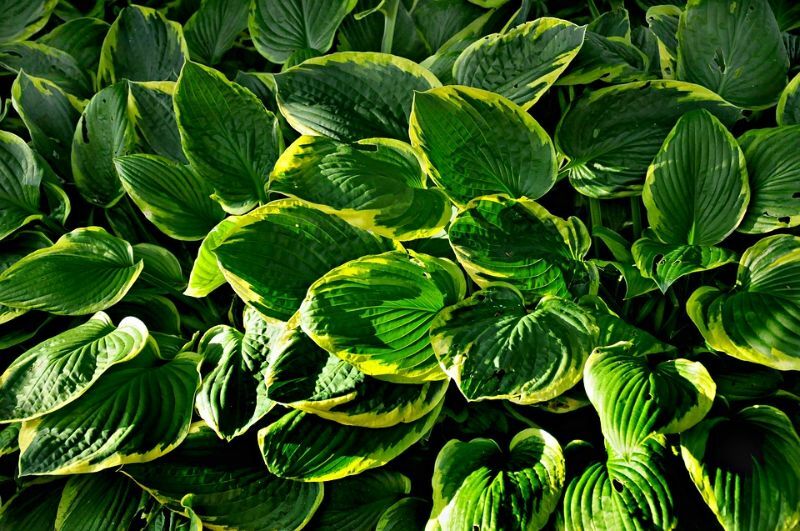
Cut each scape when just two flowers are open if you wish to enjoy the hosta flowers in a bouquet; the remainder will emerge over two weeks inside your home. Even if you leave the flowers on the plants, you should still cut off the scapes once the blooms have faded. Cutting off each scape after three-fourths of the flower buds have opened, according to the American Hosta Society, prevents the plants from directing energy into seed production for the following year, allowing them to grow more roots and leaves instead.
Should I remove flowers from hostas?
In dry spells, water Hostas in the ground keep the soil at least slightly damp to a depth of 15cm (6in) check by digging down nearby if necessary.
Summertime necessitates frequent watering of container plants, since they dry out rapidly. Plants that have dried out will have brown leaf edges.
Feeding
In borders, an annual mulch of garden compost or well-rotted manure is all that is required in fertile soils. Apply a general purpose fertilizer, such as Growmore, according to the manufacturer’s instructions in early spring on poorer soils, and then mulch. This, combined with sufficient moisture, will result in huge, robust foliage.
In containers, use a general-purpose liquid fertilizer such as Phostrogen, MiracleGro, or Seaweed feed once a month when it’s growing.
Deadheading
The flower stalks can be left in place until late autumn, when the leaves naturally die back, when the plants are tidied up. They can also be removed once the blooms fade to prevent the plants from wasting energy on seed production.
Overwintering
Hostas are entirely hardy, although their foliage dies back in late autumn, and the plants inactive until mid-spring. Frosts can destroy new leaves that emerge in the spring. If frost is expected, 2 or 3 layers of horticultural fleece can be used to protect the plants, although this is really only for the most dedicated grower.
When should hosta flowers be cut back?
Hostas should be pruned back in the late fall as a general rule. Starting with wilted or brown leaves is a good place to start. Healthy leaves can stay a little longer to aid in the storage of energy by the roots. If 25 percent or more of the hostas are dying, it’s time to prune them back. Following the first frost, all of the leaves should be cut off. Slugs and bunnies will be less likely to make your plant their winter home if you do this.
Should you deadhead hostas?
It’s better to accomplish this using little clippers or scissors because you’ll need to remove the entire flower, including the ovary, rather than just the petals. Daylilies, moonflowers, lilies, and other trumpet-shaped blooms are examples of flowers whose petals easily split from the ovary. Snip them at the point where the stem begins, right below the bulge.
Deadheading is also required in the perennial garden to maintain it neat and to keep plants blooming longer, thereby extending the season. However, in the perennial garden, deadheading certain plants is necessary to prevent them from taking over. If not controlled by deadheading, daisies, cone flowers, some morning glories, sea oats grass, spiderwort, and a variety of other perennials that grow by seed can become quite invasive.
Although some perennials have such small flowers that deadheading would be too time-consuming and tiresome, and others have attractive seedpods that you may wish to leave alone, deadheading is a healthy gardening technique in general.
Q: When my hosta blooms, should I remove the flowers? It is said to deplete the plant’s energy and cause it to become spindly. Pat
A: It isn’t required. Some of mine, especially those with lovely or fragrant blossoms, I let flower. My Hosta hyacinthiflora has lovely violet purple blossoms, and a few of the white flowered varieties have a strong, spicy scent. I cut each of these up and bring them inside to eat.
#1 Fertilizing Hostas At The Right Time
Hosta plants respond well to fertilization, despite not being heavy feeders from the soil. Especially when it comes at a time when they are most in need of it. For hostas, this entails an early spring application as well as a dose in the middle of the summer.
Applying a slow-release fertilizer in the early spring helps feed the roots and promote strong early foliage growth.
Early growth is critical for developing robust, healthy bloom sets.
Will hostas regrow if cut back?
Many hosta cultivars, for example, offer attractive fall color. During early fall cleanup, they are frequently trimmed back. I try to prune back day lilies in late summer or early fall, well before a killing frost, because they tend to appear ragged at that time. After being chopped back, they frequently sprout new growth.
What causes hostas to turn yellow?
Plants affected with petiole rot cannot be saved. Prevent the problem by carefully checking young seedlings before planting them. In addition, any contaminated plants should be removed and destroyed, and the soil should be removed and replaced to an 8-inch depth (20 cm.).
Other fungi, rots, and virus illnesses that produce yellowing leaves on hostas are similarly difficult to treat. All you can do to treat fusarium root and crown rot, bacterial soft rot, hosta virus X, and other viruses is remove and destroy the plants while avoiding spreading the disease to other plants.
Because fungal diseases thrive in the soil and attack hosta at or below the soil’s surface, you may need to solarize the soil using black plastic to kill the fungus. Make sure your garden tools are clean, the area is free of debris, and unhealthy plants aren’t transplanted. Other fungal infections, such as root and stem rot, are usually fatal and are caused by excessive moisture. Make sure the plants aren’t overwatered and that air circulation isn’t hampered by crowding. To keep the leaves dry, water your hosta at the soil level.
Pests Causing Yellow Hosta Leaves
Foliar nematodes are tiny worms that dwell within the leaves. The symptoms begin as a yellow discoloration that progresses to brown streaks between the leaf veins and are usually initially detected in early summer. To prevent the pests from spreading, keep an eye on the plant and remove any infected leaves as soon as possible.
Hosta Leaves Turning Yellow Naturally
Hostas will naturally begin to go dormant once the growing season is over. You may see yellowing hosta leaves if this happens. This is completely normal and causes no concern. You can prune the plant back once the leaves have entirely died back in the fall.
Do hostas like sun?
Sun-tolerant hostas must be protected from the heat during the hottest part of the day, even though they can withstand more sun than traditional shade-loving hostas. Hostas can withstand more sun in Zones 6 and north than they can in warmer zones. Even sun-tolerant hostas will struggle to tolerate more than a few hours of sun in the warmest zones.
Hostas for the sun do well in all growing zones when they have sufficient of moisture. Sun-loving hostas will need more water than those that grow in shadier environments. On sun-tolerant hostas, keep a thick layer of mulch on top of the soil to help conserve moisture. Visit local nurseries in August to look at hostas and decide which ones are best for your landscaping. The sun-tolerant hostas that don’t have scorched leaves are the ones you can bank on to perform in your garden.