
Garlic bulbs, chives, leeks, and flowering alliums are all members of the onion or Allium family. They contain N-propyl disulfide, a substance that is concentrated in the plant bulbs.
Symptoms include vomiting, red blood cell disintegration, blood in the urine, weakness, a fast heart rate, and panting.
Symptoms include nausea, diarrhea, and depression, as well as the possibility of dermatitis or skin irritation. Fruit is edible, however the skins and plant material can be harmful.
Hypersalivation, inappetence, severe gastrointestinal discomfort, depression/drowsiness are some of the clinical signs.
Depression, weakness (particularly in the back limbs), vomiting, and tremors are some of the symptoms.
Depression, weakness (particularly in the back limbs), vomiting, and tremors are some of the symptoms.
Apples, plums, and cherry trees contain cyanide in their stems, leaves, and seeds, which is especially poisonous during the withering process.
Brick red mucous membranes, dilated pupils, trouble breathing, gasping, and shock are all clinical indicators.
Non-Edible Garden
Cardiac glycosides are found in foxglove or digitalis, making it one of the most dangerous plants in the flower garden.
Heart arrhythmias, vomiting, diarrhea, weakness, cardiac failure, and death are some of the clinical signs.
Flowers from the chrysanthemum family, such as daisies and chrysanthemums: Sesquiterpene, lactones, pyrethrins, and other irritants may be present.
Vomiting, abdominal pain, hypersalivation, and diarrhea are some of the symptoms. The leaves are poisonous in comparison to the berries.
Bufadienolides, glycosides, veratrin, and prtoanemonin are some of the poisons found in hellebore or Christmas Rose.
Vomiting, irregular heartbeat, low blood pressure, confusion, unconsciousness, and seizures are some of the clinical signs.
Vomiting, diarrhea, melancholy, anorexia, and, on rare occasions, bloody diarrhea or vomiting
Pentacylic terpenoids (zeorin, missourin, and missouriensin) are abundant in the rhizomes of iris.
Grayantoxin, found in Rhododendrons, can cause major difficulties if just a few leaves are consumed.
Vomiting, diarrhea, hypersalivation, weakness, unconsciousness, hypotension, nervous system depression, cardiovascular collapse, and mortality are all symptoms of this condition.
Vomiting, diarrhea, abdominal pain, and weakness are some of the symptoms. Large amounts can cause irregular heart rhythms.
Ingestion of shavings can cause incoordination, and rotting nuts/hulls might cause tremors and convulsions.
Tremors, trouble breathing, vomiting, seizures (in dogs), and sudden death from heart failure are all clinical signs.
Tulips and daffodils: While we think of them as spring flowers, they are actually planted in the fall. The most dangerous element of the plant is found deep underground in the bulbs. While the bloom itself is not harmful, exercise caution while planting it at any time of year.
Big doses produce convulsions, low blood pressure, tremors, and cardiac arrhythmias; small amounts cause vomiting, depression, diarrhea, and hypersalivation; large doses cause convulsions, low blood pressure, tremors, and cardiac arrhythmias.
Don’t allow the long list of venomous flora scare you away from spending time in the garden with your dog. The following is a list of plants that have been approved by a veterinarian. Look forward to seeing you outside!
Squash, Impatiens, Baby’s Breath, Basil, Blue Eyed Daisy, Chickens and Hens, Cinquefoil, Cilantro, Snapdragons, Coreopsis, Cornflower, Day Lilies (toxic to cats), Ferns, Marigolds, Asters, Red Maple, and Zinnias are just a few examples of plants that are hazardous to cats.
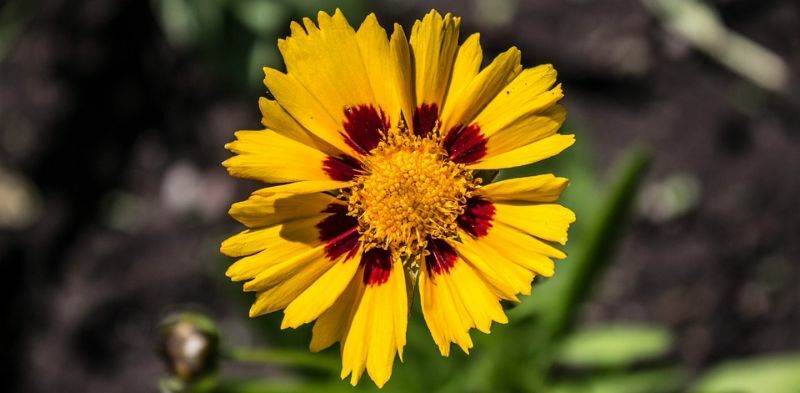
Is coreopsis toxic to horses?
They thrive in the desert and in direct sunlight. #yellow flowers#border planting#naturalized area#annual herb#non-toxic for horses#non-toxic for dogs#non-toxic for cats#desert plant#winter annual#non-toxic for horses#non-toxic for dogs#non-toxic for cats#desert plant#winter annual
Is Lavender safe for cats?
The common lavender plant (Lavandula angustifolia) includes linlool and linalyl acetate, two chemicals harmful to cats, according to the American Society for the Prevention of Cruelty to Animals (and found in other flowers like bergamot). Lavender, in any form, will make your cat sick to his stomach.
Are hibiscus poisonous to cats?
Hibiscus is generally non-toxic to pets, but the Rose of Sharon (Hibiscus syriacus) is a species of hibiscus that can be detrimental to your pet. The blooms and stems of this hibiscus are harmful to cats.
Can cats recover from poisoning on their own?
The time it takes for a cat to recover from poisoning is crucial. The sooner you get your cat medical help, the sooner you can start treating him, and the less time the poison has to work its way through his system. Many cats who undergo early therapy will be able to return to their regular selves in a short period of time. For further information about your cat’s recovery rate, consult your veterinarian.
How do you keep cats away from toxic plants?
You may also make houseplants cat-proof by making them stink. If you sprinkle cayenne pepper over the leaves of your houseplants, your cat will swiftly flee. Citrus is also repulsive to cats. To help repel them, put orange and lemon peels in your pots alongside the plants. Spraying the leaves directly with diluted lemon juice or orange oil is another approach. Citrus oil extracts, such as those found in insecticidal sprays, dips, shampoos, insect repellents, food additives, and scents, are harmful to cats and should be avoided at all costs.
Many people who have problems with their cats using plants as a litter box may buy plants with unpleasant textures to make them reconsider their potty habits.
Are Meyer lemon trees toxic to cats?
Lemons and other citrus fruits contain toxic chemicals that are hazardous to most domestic pets, so they can injure your feline friend. Because these toxins can be found in both lemon fruits and lemon trees, pet owners should exercise caution when leaving their fruit trees open or unsupervised.
If your cat does not receive immediate medical assistance after consuming lemons, lemon juice, or other lemon products, it could die.
Continue reading to learn more about why cats shouldn’t eat lemons.