
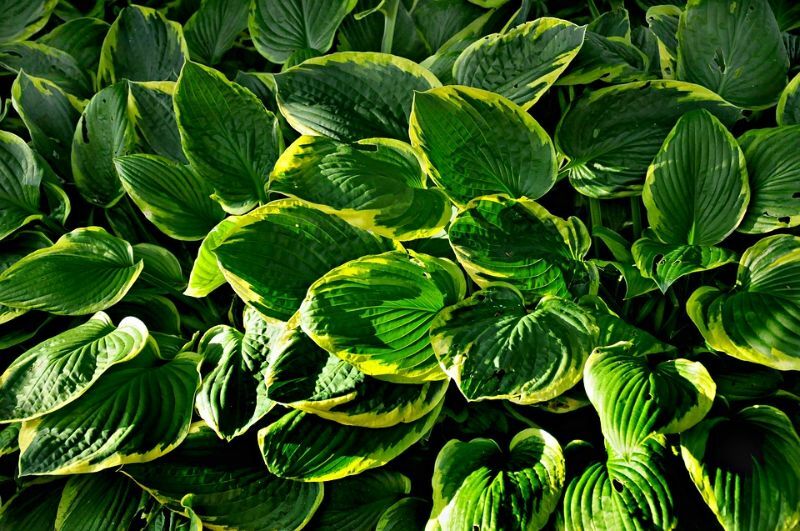
Similarly, to develop their blossoms, fragrant hostas of the species Hosta plantaginea require exposure to the sun. Hosta plantaginea is one of the sunniest hosta species, flourishing in as little as four to six hours of direct sunlight.
Will hostas grow in the shade?
Let’s start with this one because it’s usually the first perennial that springs to mind when considering shady gardening. It’s for a good reason: hostas adore being in the shadow. They do, after all, prefer the cool of the afternoon sun, so your shaded setting will be ideal for them.
Hostas, on the other hand, require a steady supply of moisture to flush out their large, gorgeous canopy of foliage, so planting them in hard, dry clay beneath your trees is not ideal.
When planting hostas, amend the soil to provide them with nutrient-rich, loamy soil in which to spread their vast roots. Investing the time and effort will benefit your hostas far more than planting them in poor soil and having to fertilize them every month to compensate for the poor soil.
Hostas are hardy in zones 3-9. They grow well in all but the hottest sections of the country. They are, however, a favorite diet of deer, so if you have these four-legged friends in your garden, you might want to browse lower down this list for alternative shade-tolerant perennials.
Recommended Hostas:
- The dazzling blue and radiant gold edged leaves of ‘Autumn Frost,’ one of the best hostas for spring color, will light up your landscape and containers with exuberant color.
- ‘Empress Wu’This massive green hosta might be better named “Wow You,” since it will undoubtedly impress all your friends when it reaches its mature height of 3-4ft tall by 5-6ft broad in around five years.
- ‘Wheee!’
- With a name like this, what hosta could be more entertaining?
- You’ll want to reach out and touch its very ruffled foliage, and when you do, you’ll be impressed by its thick leaf material. The slugs, on the other hand, will be less impressed and will seek out simpler prey.
How many hours of shade do hostas need?
First and foremost, don’t be fooled by the phrase “research” when conducting your search “Hostas that get a lot of sun.” Yes, certain hosta cultivars thrive in direct sunlight and can even survive a heat wave. “Full sun” is traditionally defined as 6 hours of direct sunshine each day, but if you plant your hostas in an area where that sunlight is available from 2 to 6 p.m., you may notice some browning of their leaves. Giving full-sun hostas the most of their sun in the morning is preferable than afternoon sun, which is hotter and more intense.
Your hostas will thank you for your care by remaining green and lush throughout the summer if you plant them in a spot where they can absorb the milder morning sunshine.
Exposure:
All hostas require some sunlight, whether in dappled or partial shade. Blue, green, and variegated hostas thrive in a little darker shade, however yellow and gold hostas require more light to show off their vibrant hues. If provided adequate regular water, those with more robust leaves can endure full sun in cooler zones.
Foliage:
Smooth, veined, waxy, cupped, highly puckered, ruffled, or coiled and twisted are some of the variations. Choose from a wide range of colors, patterns, and shapes in hosta leaves:
- Leaves in a variety of colors ranging from apple green to dark spruce, as well as sunny yellow, grayish-blue, and blue-green.
Do hostas need a lot of watering?
Small or medium plants will require a good soak once a week once they have established themselves. Hostas tolerate drought but need moist, well-drained soil. Increase the watering frequency to three times per week if the weather is warm. Large hostas should be watered twice a week in the summer and daily in the winter, especially if they get a lot of sun.
Growing Hostas in pots necessitates more frequent watering. Because pots drain faster than gardens, giving the plant the slow sip it requires can be difficult. Water the pot every three days during the summer months. If the soil still appears to be too dry, it may need to be watered on a daily basis.
Will hostas live in full sun?
Instead of functioning well on your site, the best you can hope for is a hosta that can tolerate it. In full sun, Hosta cultivars with a lot of white colouring or thin leaves are more likely to burn. Hostas with fragrant flowers, gold or yellow foliage, or slight white variegation, in general, prefer shade, whilst those with fragrant flowers, gold or yellow foliage, or slight white variegation can handle more sun.
Are there hostas that like full sun?
Sun-loving Hostas Yellow or gold hostas, in general, can withstand partial sun without losing their brilliant yellow hue. These yellow or golden beauties will look their finest with around two hours of regular light exposure. To avoid scorched leaves, aim for early morning sun.
Can Patriot hosta take full sun?
Hostas prefer light to open shade, while ‘Patriot’ may endure full sun if given enough water. Plant it in soil that is rich, wet, and well-drained. Most hostas are tolerant of both sandy and clay soils.
Where is the best place to plant hostas?
Choose a location that receives partial to full shade when planting hostas. Hostas can survive morning sun but prefer to be in the shade. It’s crucial to understand that these perennials thrive in lush, organically rich soil. Hostas should not be planted in heavy clay soil since the drainage will be inadequate. Place hostas where snow tends to pile up in places that get a lot of snow in the winter to preserve stems and leaves.
How far apart should hostas be planted?
While Hostas are known for their fondness of the shadow, they thrive in dappled light for the majority of the day. For the greatest color, yellow and gold cultivars require 2 to 3 hours of early sun.
Hostas can grow in a variety of soils, but they prefer a rich, moist soil with plenty of organic content.
Plants should be spaced 1 to 4 feet apart, depending on the variety. Planting closer together will allow the plants to fill in more quickly, resulting in a hosta ground cover.
Planting: Hostas can be planted at any time during the growing season. Spring is the greatest time to plant in the north since it allows the plants to establish themselves before summer. Fall is a good time in the South because of the cooler weather. It is feasible to plant in the summer, but plants will require more water than usual to withstand the heat.
What pairs well with hostas?
Hostas are ideal for shade gardens, adding a hint of the tropics to otherwise barren areas of the yard. When selecting companion plants, aim for those that, like your hostas, prefer bright morning sun and cool afternoon shade. Hostas go well with astilbe, ferns, geraniums, and shady-friendly bulbs. Bleeding hearts and heuchera are two of our faves.
The delicate blossoms and elegant, arching branches of bleeding heart (dicentra) plants are the perfect contrast to bold, flashy, or variegated hosta plants. They also blossom early in the spring, enabling the flowers of your hostas to take center stage later in the summer.
Heuchera, often known as coral bells, is cultivated for its leaf, which may provide a splash of crimson, purple, or silver to your shade garden. Take a colorful bunch of flowers and turn it upside down: For a garden full of rich, vibrant leaves and light-colored flowers, combine red or purple heuchera with marbled or striped hosta species.
Learn how to plant, grow, and care for hostas from our experienced gardeners.